The Army authorizes both single-strap and double-strap designs. The single strap is relatively common because it is inexpensive and widely available. It is also the weaker design from an ergonomic standpoint.


Educating the Military Drill World
The Army authorizes both single-strap and double-strap designs. The single strap is relatively common because it is inexpensive and widely available. It is also the weaker design from an ergonomic standpoint.
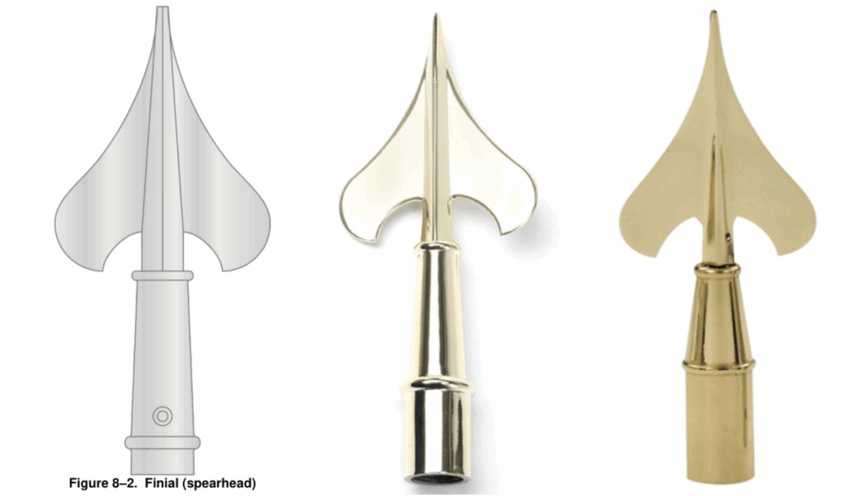
Every so often, another piece of ceremonial folklore appears that sounds authoritative because it has been repeated for years.

Why Adults Should Not Fill Positions in Cadet Color Guards and Drill Teams I recently posted a photograph of an Army Junior ROTC color guard. Four positions were occupied by cadets. The fifth was occupied by an Army JROTC instructor, who was marching with the cadets and carrying a flag. Several people asked what was wrong with that. One response …
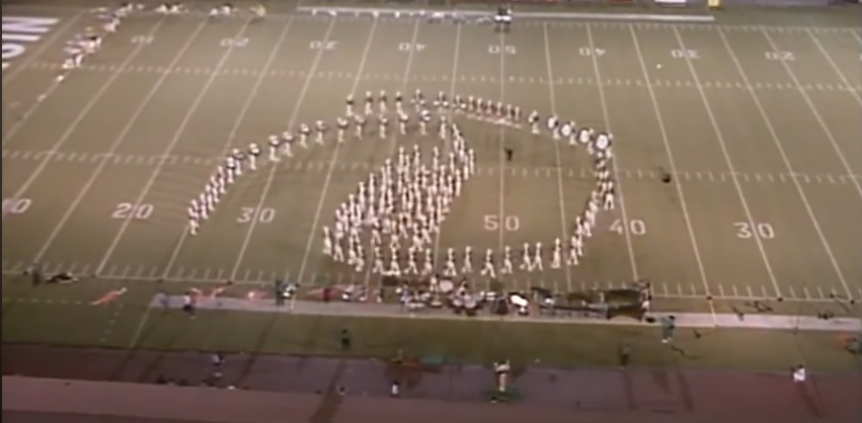
Drum and bugle corps developed as a distinctive form partly because it operated within restrictions. Those restrictions were not defects waiting for later generations to remove. They helped define what the activity was.
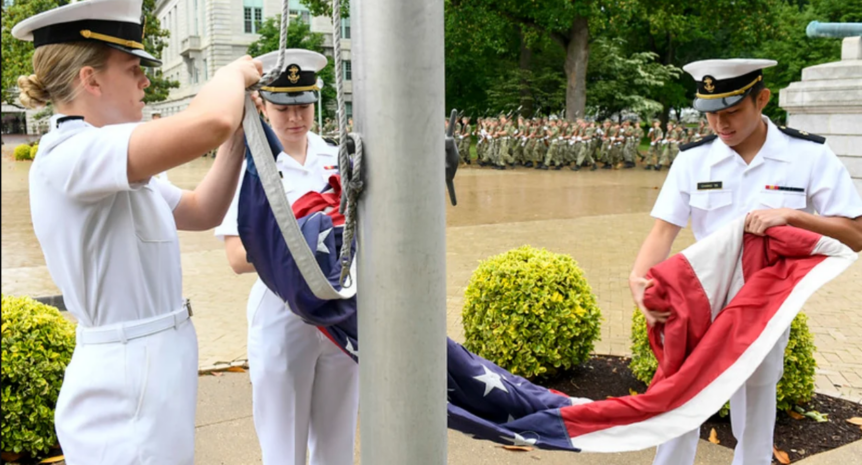
While watching an older video of Morning Colors at Marine Barracks Washington, I initially heard the preparatory command as: “Colors, ATTENTION.”
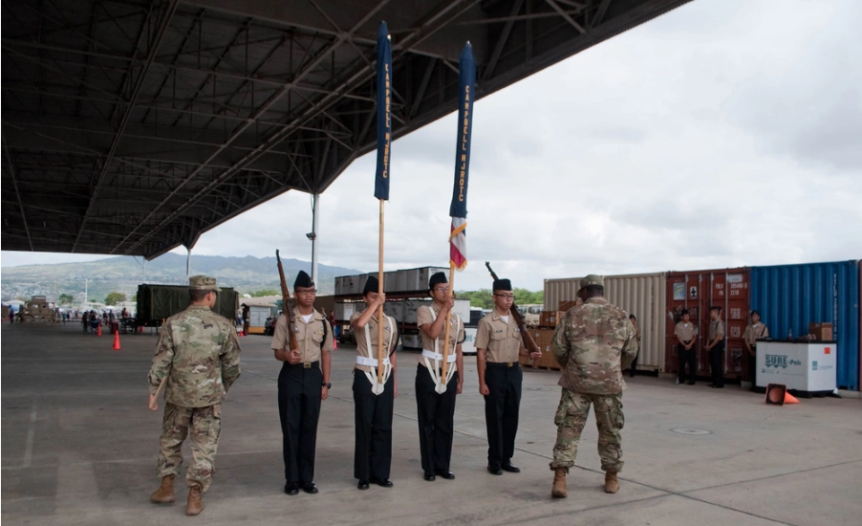
One of the recurring problems on Air Force installations is the unintentional transfer of ceremonial drill into environments where regulation drill is the governing standard. It usually begins innocently.
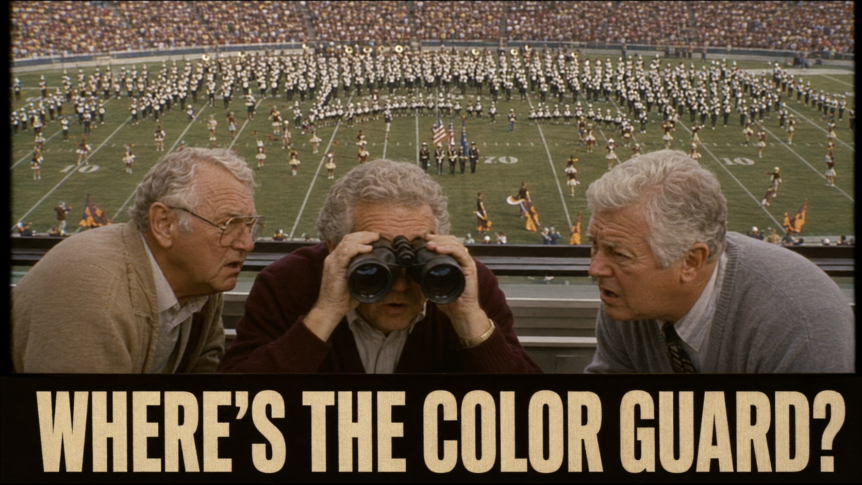
With the football games come the pregame and halftime shows. During pregame, the band creates excitement, expresses school identity, and prepares the audience for the game. Cheerleaders, twirlers, dancers, and the marching-band color guard add movement, color, and spectacle. The combined production may involve hundreds of performers, carefully written drill, and weeks of rehearsal.
A service Honor Guard represents that service at the highest levels of military and governmental ceremony. Its members perform demanding duties in highly visible settings where mistakes can carry consequences far beyond the individual ceremony. The mission requires discipline, precision, endurance, maturity, and a serious understanding of ceremonial responsibility.
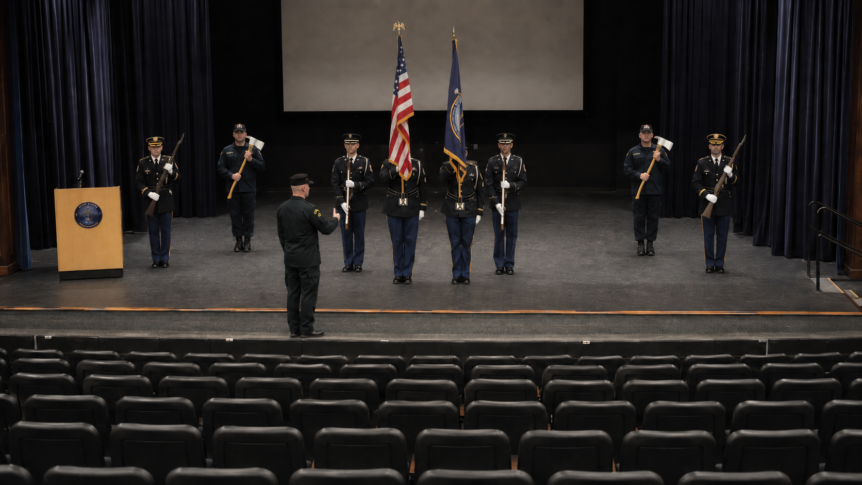
Every year as September 11 approaches, military installations and civilian public-safety agencies begin planning Patriot Day and 9/11 remembrance ceremonies. Firefighters understandably want the fire axe represented. It is immediately recognizable, historically meaningful, and visually communicates the fire service in a way few other objects can.
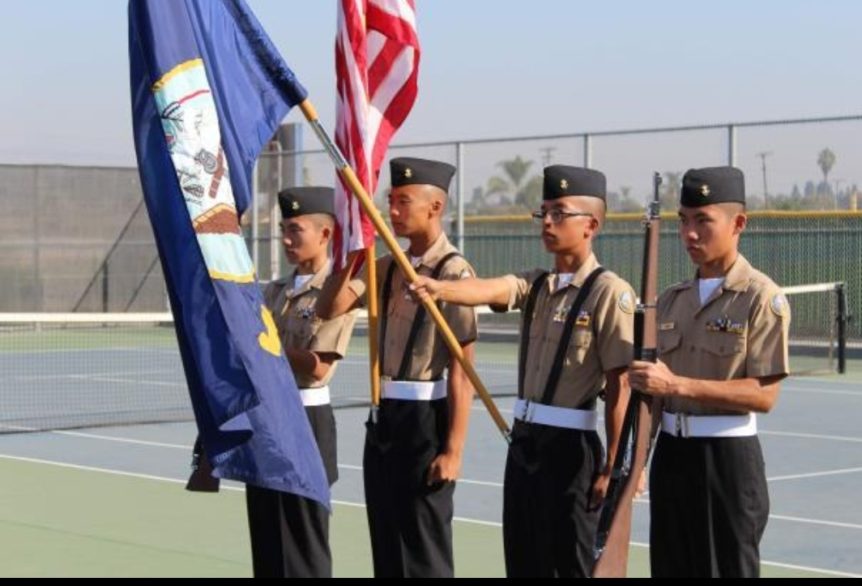
A realization finally clicked for me while responding to a Navy JROTC color guard issue.
The team presented the colors with the National Color, the state flag, and the Navy departmental flag. On the surface, many people would look at that and think, “That seems reasonable. National, state, service. What is the problem?” The problem is not simply the order of precedence. The problem is authority.