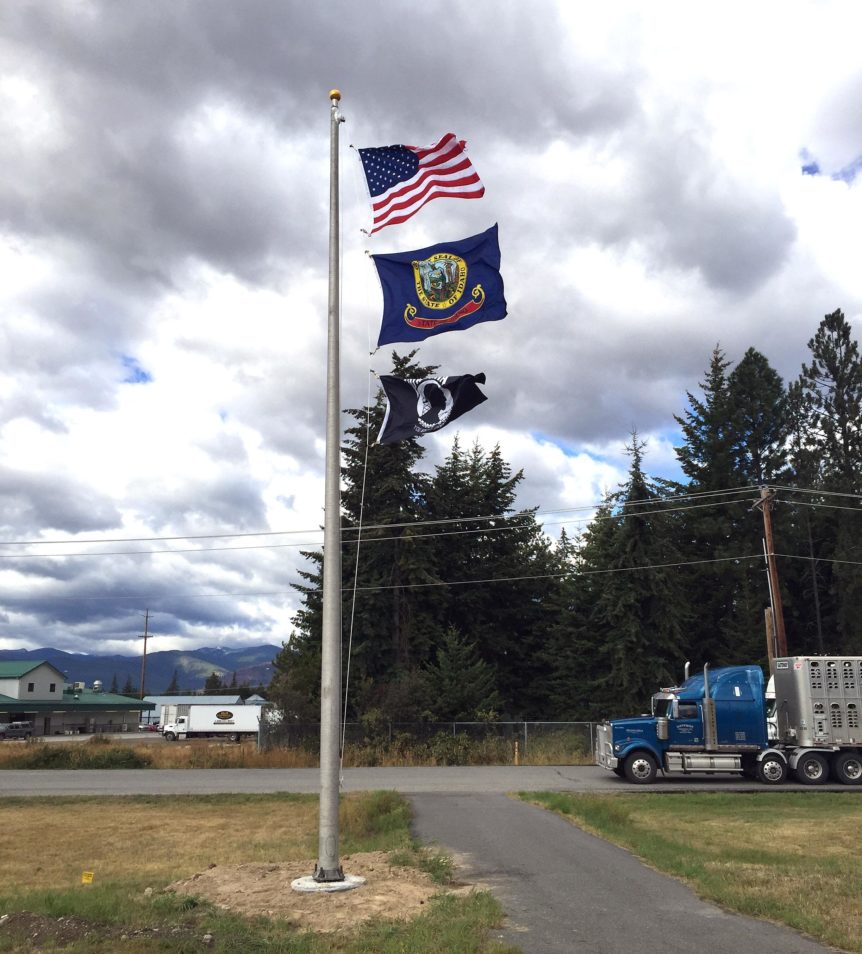
This is an interesting aspect of flag display outside on a flagpole. What is required? Aesthetics is going to be your guide, but there is a bit more to it.

Below you'll find a list of all posts that have been tagged as “flag etiquette”
This is an interesting aspect of flag display outside on a flagpole. What is required? Aesthetics is going to be your guide, but there is a bit more to it.

DrillMaster addresses the thin Line flag raising in Cincinnati, OH.
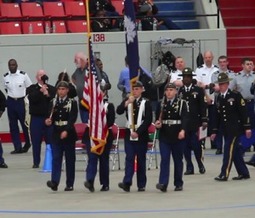
DrillMaster explains how the motto, semper paratus, applies to you and your color guard, drill team, and honor guard.
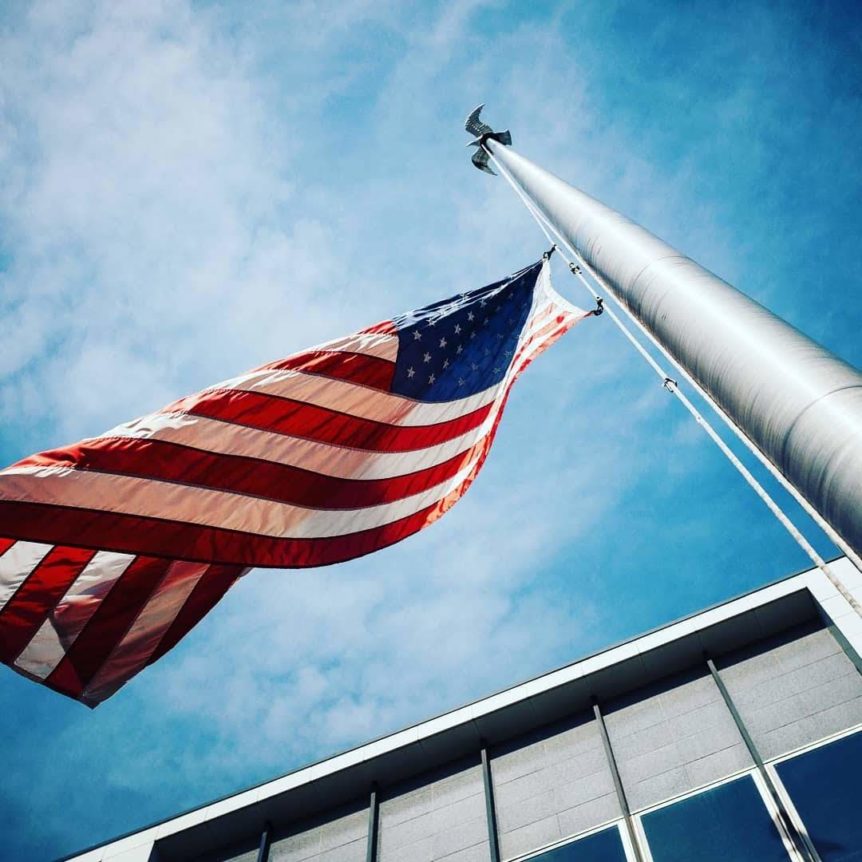
There is confusion about placing the American flag at half-staff, using a mourning ribbon, and a few myths. Let’s go over the facts.

This is for outside flags (attached to a halyard and flown from a pole), not indoor/outdoor flags that are only for color guard flagstaffs for carrying and indoor display. The American Flag The American flag must always be folded into a triangle (ref: Flag Code). If it is wet from rain or snow, it is taken down, folded, and brought …
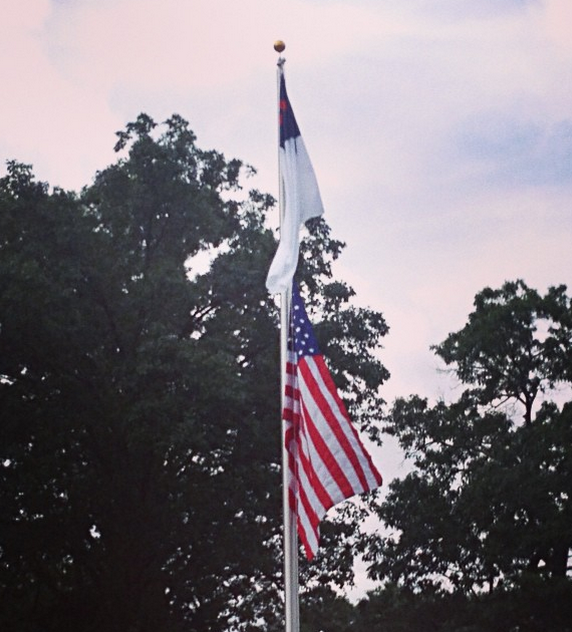
DrillMaster explains why the Christian flag the be subordinate to the American flag.
Here are two ways to avoid potential problems Cutting the First Stripe The method of “cutting” the first stripe, used when a flag has been folded many, many times and is now stretched out to where it will not end up positioned properly for the tuck at the end, creates a very small initial triangle helping create more cloth for …
In my theology degree studies, I use several books and online resources that are all called “helps” and they are extremely helpful. Well, we all need “helps” in all kinds of situations and folding the American flag is definitely one of them. Here is one of the videos I made explaining how to fold the flag using just two people. In …
I received these questions just a short time ago. 1. At the beginning of the work day (duty day) when raising the U.S. flag in conjunction with a state flag which one is flown first? I believe it to be the U.S. flag. Answer: Per the Flag Code, the American flag is always raised first. 2. When lowering the flags …
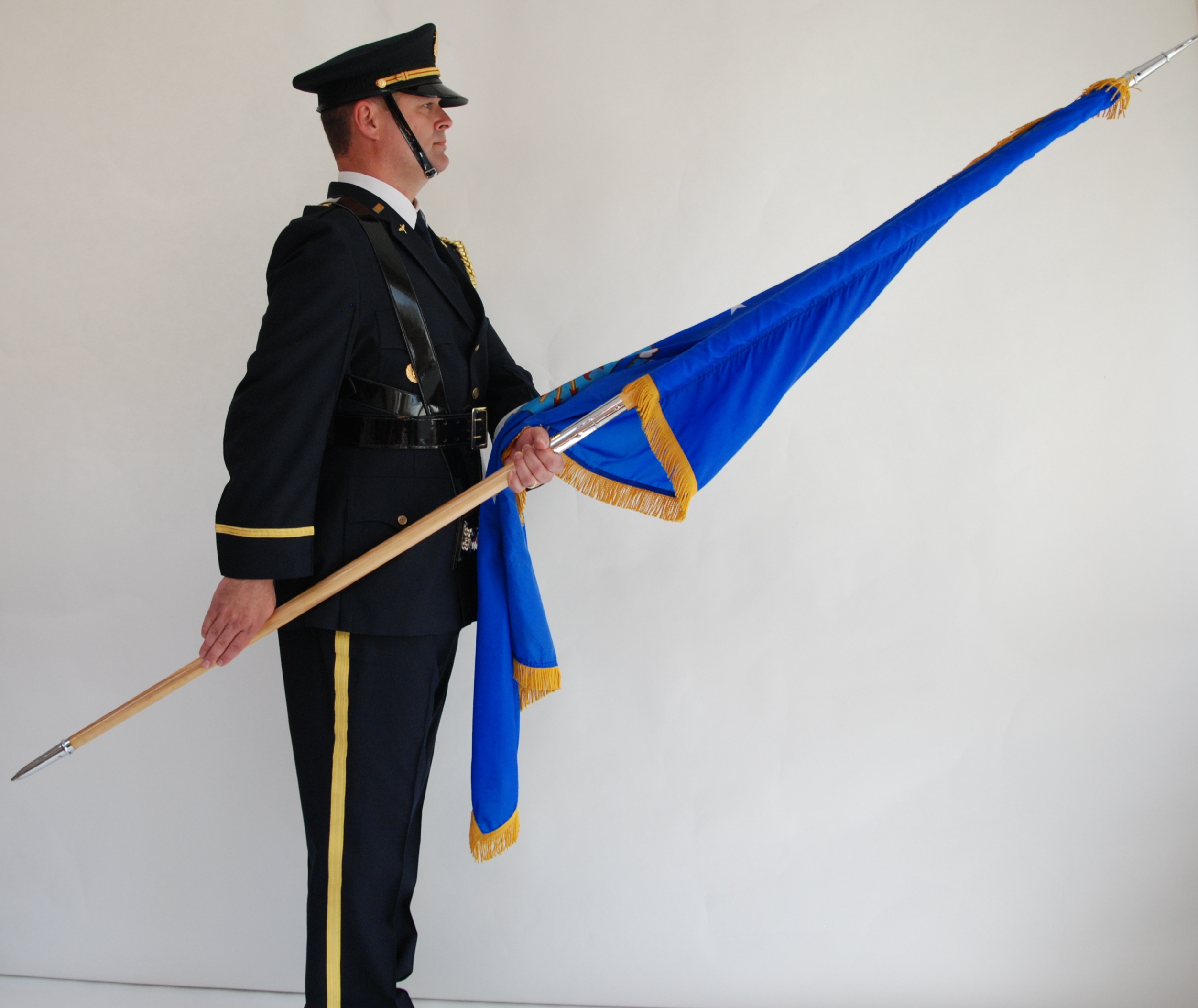
Color guards do not always move through ideal spaces. Doorways, low ceilings, stage entrances, overhangs, aircraft hangars, ramps, and other confined areas can force a team to adjust the position of the colors temporarily while still maintaining dignity, control, and respect for the flags. This article explains the practical methods for navigating both low-clearance and very low-clearance areas, including the available options, the commands that may be used, and the body and staff positions required for each method. The photos that follow illustrate each position so leaders and trainers can make informed decisions before the team encounters the obstacle during a ceremony.