A good command voice is controlled, clear, disciplined, and properly timed.


Below you'll find a list of all posts that have been categorized as “Honor Guard”
A good command voice is controlled, clear, disciplined, and properly timed.
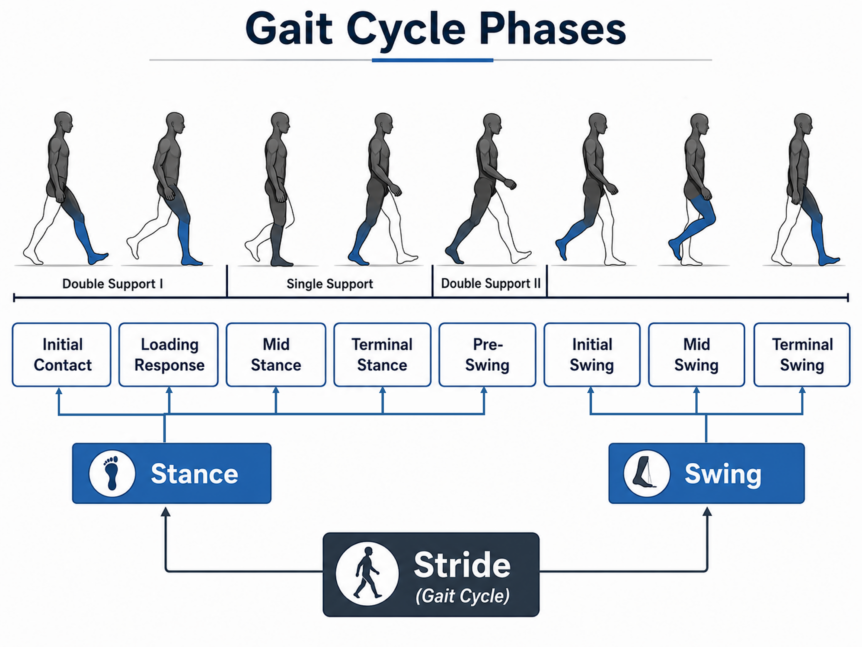
Marching is often taught as a series of positions: attention, step off, halt, face, flank, and so on. That is necessary, of course, because drill manuals describe movement in counts and commands. But beneath every command is something more basic: the human gait cycle. The gait cycle is one complete stride. It begins when one heel contacts the the marching …
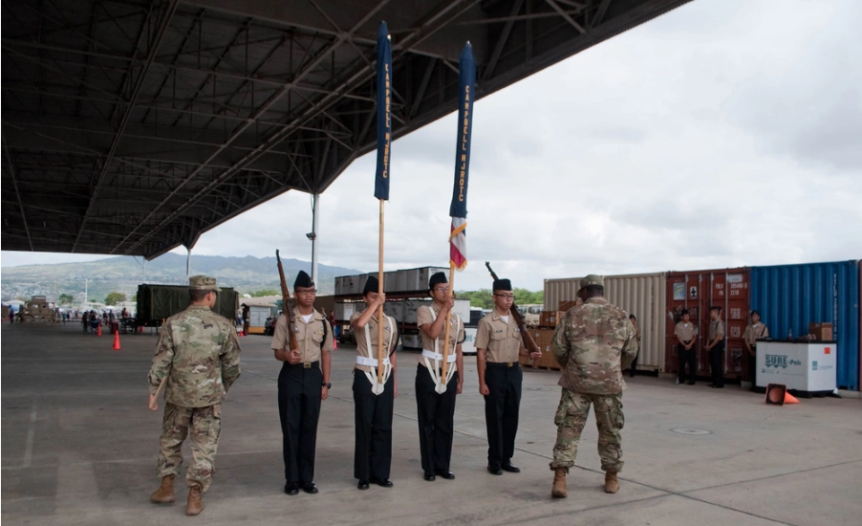
One of the recurring problems on Air Force installations is the unintentional transfer of ceremonial drill into environments where regulation drill is the governing standard. It usually begins innocently.
A service Honor Guard represents that service at the highest levels of military and governmental ceremony. Its members perform demanding duties in highly visible settings where mistakes can carry consequences far beyond the individual ceremony. The mission requires discipline, precision, endurance, maturity, and a serious understanding of ceremonial responsibility.
Speech given by John K. Marshall, The DrillMaster, at the 2026 US Air Force Honor Guard Leadership Summit in Orlando, FL. The complete prepared speech and supporting documentation. The version delivered at the Summit was condensed to meet the allotted 30-minute speaking time.
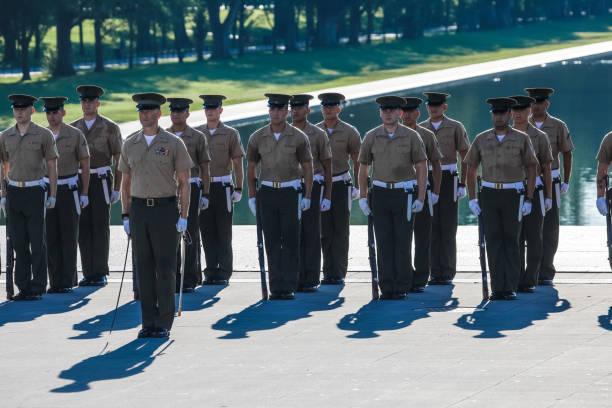
Just like in dance and other physical performances, posture is the first thing the audience sees. It is the first visible evidence of discipline.
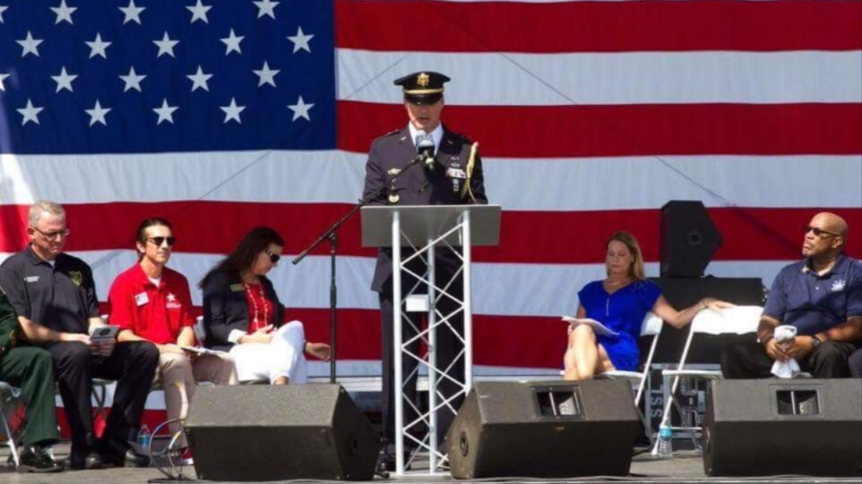
Don Crutch, founder of Honor Guards of America, designated July as the month in which ceremonial guardsmen would be recognized through Honor Guards Day. The first—and only—celebration was held in 2017. This article remembers the man, the observance, and the mission that remains worthy of continuing. A personal note: I have been a manager of the Honor Guards of America …
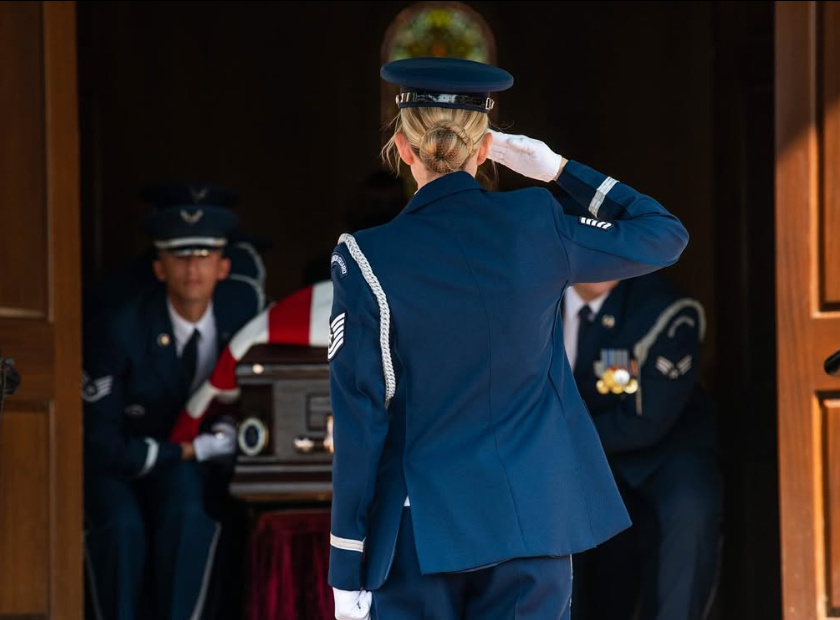
A military honor guard arrives at a cemetery prepared to perform funeral honors. The team has trained pallbearers available, but cemetery personnel refuse to let them carry the casket. Instead, the cemetery requires the casket to remain on a church truck.
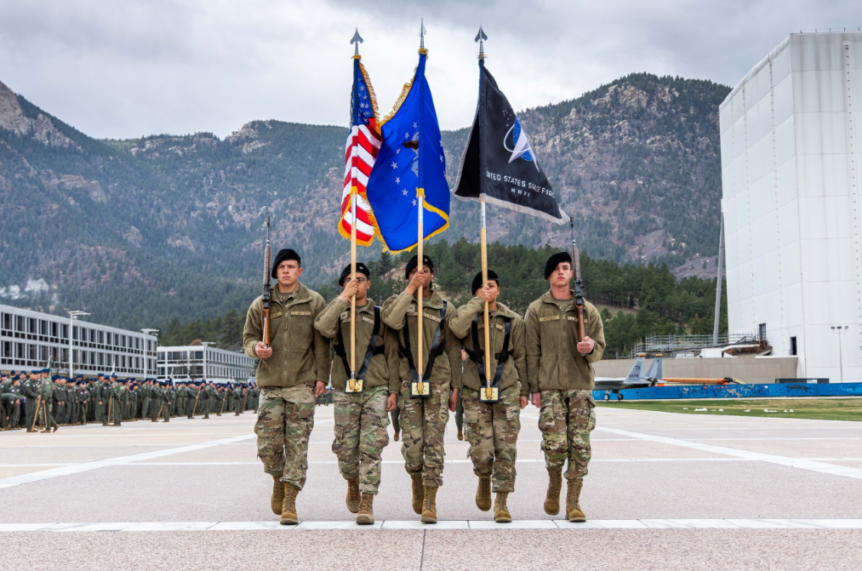
In recent years, an increasing number of Air Force color guard performances—particularly within Civil Air Patrol, Technical School, the United States Air Force Academy, and Air Force Reserve Officer Training Corps—have shown a consistent pattern: movements that appear deliberate and “ceremonial,” yet are fundamentally incorrect within their training environment.

This article is written as a thought-leadership piece designed to bridge the gap between respect for first responders and the non-negotiable standards of military protocol. Its goal is not to diminish anyone’s service, but to defend institutional identity and restore ritual integrity in public ceremonies.