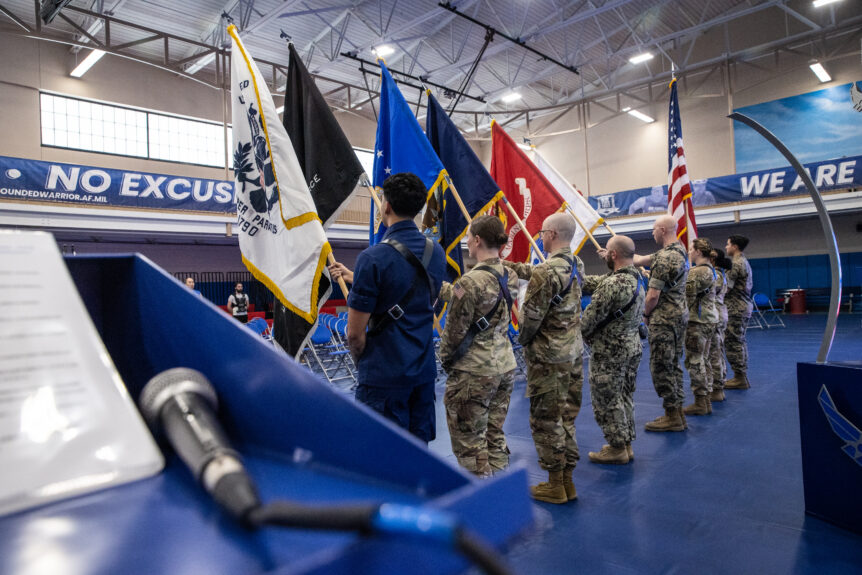
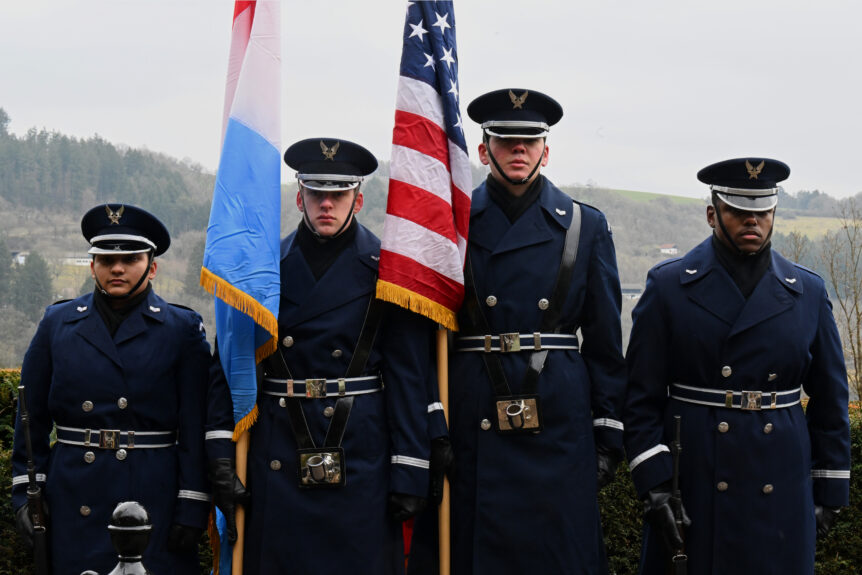
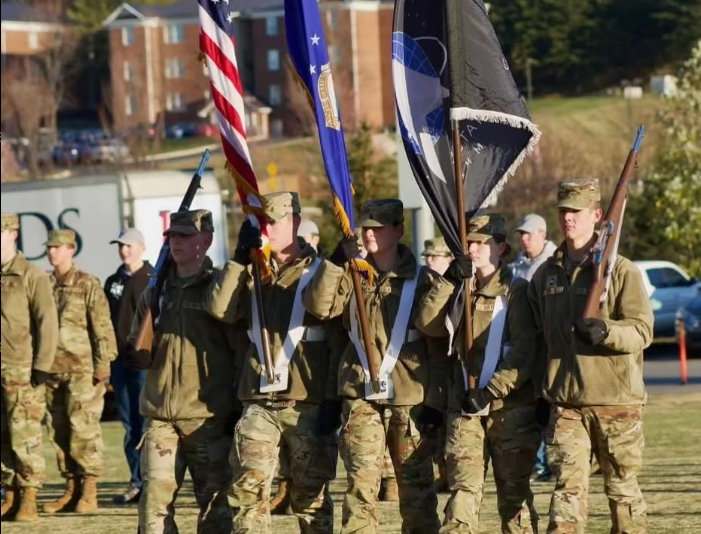
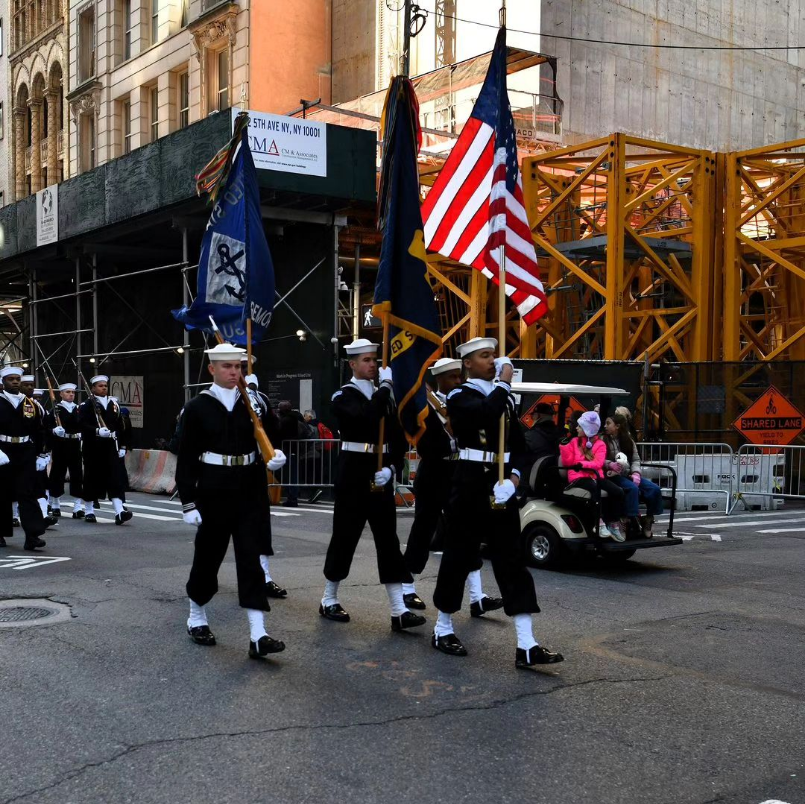
In two previous articles (available here¹ and here²), I examined instances in which U.S. Air Force–affiliated cadet programs appeared to depart from published Department of the Air Force drill and ceremonies doctrine. Those discussions raised important questions about authority, interpretation, and the proper limits of cadet instructional publications.
A Formal Doctrinal Challenge: Who Has the Authority to Change Drill and Ceremonies?
Over the past several years, I have documented a growing and troubling trend across cadet programs: drill and ceremonies standards being altered, replaced, or hybridized without clear doctrinal authority.
Can a Cadet Program Change Drill and Ceremonies Doctrine?
It has taken me a while to research and formulate a statement that calls on cadet program HQs to take a hard look at procedures. During this time, AFJROTC, NJROTC, CAP, and Yount Marines were the programs in my view. I am not calling out individuals, I am calling out the institutions, not people.
From Custody to Choreography: How Authority Shaped—and Split—the Color Guard
For many people involved in military drill, ceremonial color guards, marching band, or drum corps, one question keeps resurfacing: How did we all start in the same place—and end up speaking completely different languages about flags, rifles, and sabers? The answer is not stylistic. It is structural. It is a story about authority—where it came from, where it went, and …
Should a Color Guard Bow Their Heads During Prayer?
This question arises frequently at ceremonies, particularly when a chaplain invites those present to bow their heads. The answer depends on a critical distinction: who is acting as an individual—and who is acting as a representative.
Why a TSA Color Guard Is Not Authorized—and What Works Instead
The Transportation Security Administration is a civilian federal agency under the Department of Homeland Security.
The Flag Display Team and When a Color Guard Is Not Appropriate
Across the United States, organizations of many types—federal agencies, uniformed services, public safety departments, schools, and civic groups—seek meaningful ways to honor the United States flag during ceremonies and public events.
The “Good Idea Fairy”
The ‘Good Idea Fairy,’ the destroyer of motivation and crusher of souls, is back, and this time it’s haunting the drill field. As I detail in my previous work, ‘The Magic White Glove Effect,’ this phenomenon is all due to unrealistic expectations. Recently, I received a message detailing a ceremony rehearsal where a prepared junior NCO and his Color Guard …
Case Study: Posting the Colors — CA Military Institute/CA State Guard
This article examines a recent colors presentation conducted by the California Military Institute in support of the California State Guard. As always, the intent here is not criticism for its own sake, but education. By unpacking both strengths and deficiencies, we can clarify standards, improve training outcomes, and reinforce the non-negotiable principles that govern military color guard operations. See the …
A DrillMaster Study of the Flagstaff and Finial
Today’s US military flagstaff, the light ash wood guidon staff with the flat, silver spearhead, comes from a time when polearms were the weapon of choice for infantry and cavalry. The image at the top of the page is a painting by Italian painter Augusto Ferrer-Dalmau called Batalla de Rocroi. The painting was created in 2011, and the battle was …