I get this question fairly regularly. What flags should we carry in the upcoming parade?


Below you'll find a list of all posts that have been categorized as “Color Guard/Color Team”
I get this question fairly regularly. What flags should we carry in the upcoming parade?
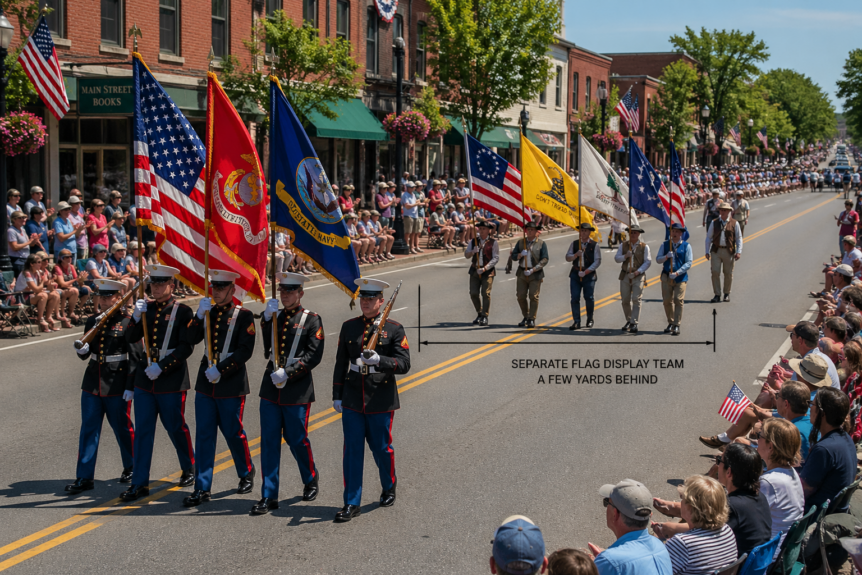
With the United States approaching its 250th anniversary, I’ve started receiving more questions about historical flags—specifically whether groups can carry items like the Betsy Ross flag or the Gadsden flag in parades and ceremonies.
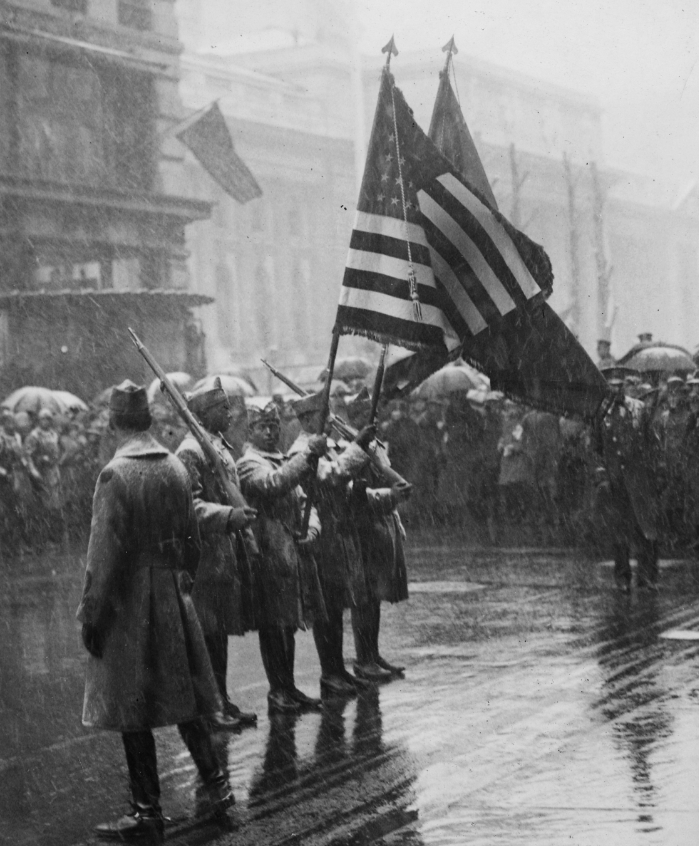
Across the country, color guards strive for precision in movement, timing, and appearance. Yet one of the most common failures occurs before the first command is ever given:
The equipment is wrong.
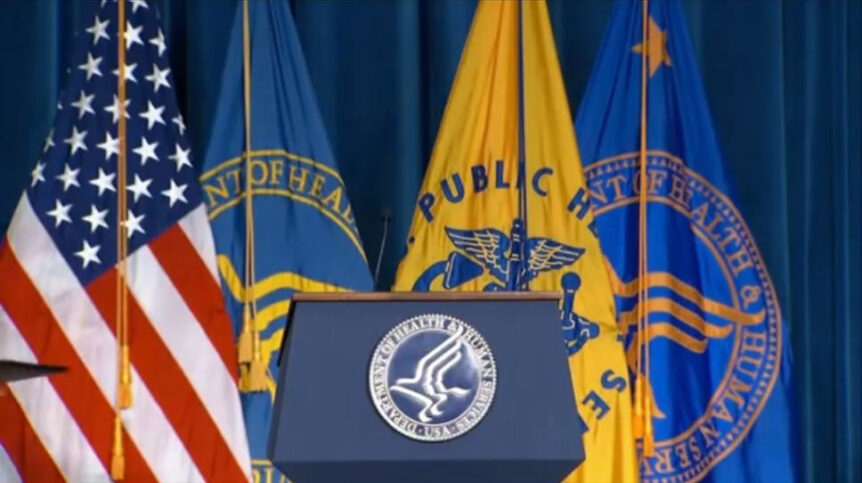
I wanted to explain the two types of doctrinal authority in the US military and use the flag spreader debate as a case study.

The Navy does not have protocol specialists assigned to units like the Army, Air Force, and Space Force do. That’s understandable since protocol is not necessary at sea a majority of the time. However, giving this responsibility to a Petty Officer aboard ship as an extra duty without the Navy providing clear guidance is a recipe for problems.

Across the country, cadet programs and organizations are facing a common restriction:uniforms cannot be worn. For many, this has created uncertainty: Let’s be clear: Yes, you can still present the Colors.No, the standard has not changed. The Misconception There is a growing assumption that without the uniform, the rules relax. They do not. The uniform is a supporting element. It …

One of the most persistent misconceptions I encounter is the statement:
“A flagstaff is just a flagstaff.”
This idea usually appears when someone is using a silver aluminum or gold telescoping pole and attempts to justify it for a military color guard.
At first glance, the logic seems simple: if it holds a flag, it should be acceptable.
That logic is incorrect.
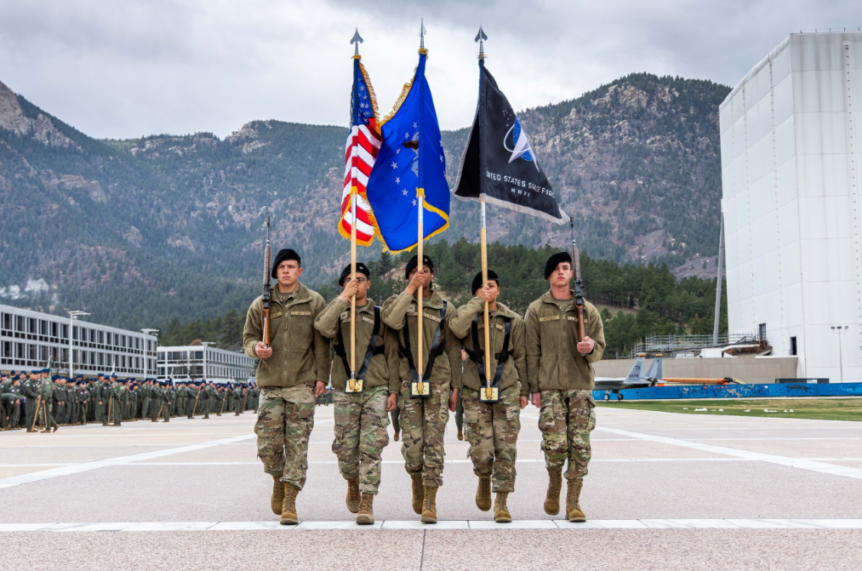
In recent years, an increasing number of Air Force color guard performances—particularly within Technical School, the United States Air Force Academy, and Air Force Reserve Officer Training Corps—have shown a consistent pattern: movements that appear deliberate and “ceremonial,” yet are fundamentally incorrect within their training environment.

This article is written as a thought-leadership piece designed to bridge the gap between respect for first responders and the non-negotiable standards of military protocol. Its goal is not to diminish anyone’s service, but to defend institutional identity and restore ritual integrity in public ceremonies.

There is a persistent and damaging belief in the drill and ceremonies community:
“If it’s not in our manual, it’s not authorized.”
That belief is wrong—and it is directly responsible for the kind of performance deficiencies we continue to see across military, cadet, and first responder color guards.