This article is written as a thought-leadership piece designed to bridge the gap between respect for first responders and the non-negotiable standards of military protocol. Its goal is not to diminish anyone’s service, but to defend institutional identity and restore ritual integrity in public ceremonies.
When the Conversation Isn’t About the Flag Anymore
Large-scale flag displays at athletic events often generate the same recurring responses when standards are addressed.
“You Got Peanut Butter on my Chocolate!” and the POW/MIA Novelty Flag Argument
“You got chocolate in my peanut butter!” The old commercial for Reece’s Peanut Butter cups was about “it’s all how you look at it” and was fun.
The Merchant Marine Academy Battle Standard
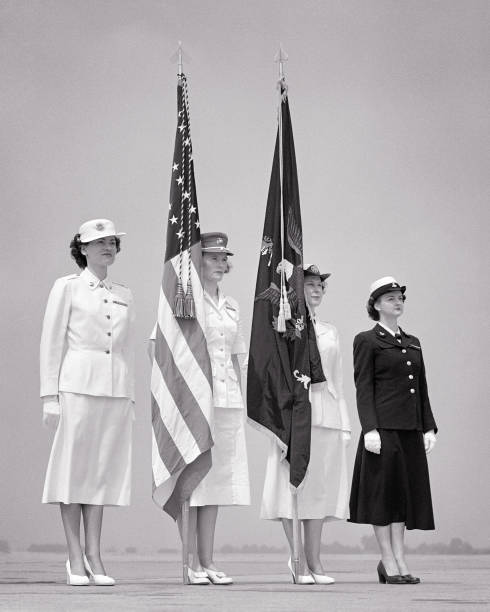
Color guards are carefully structured ceremonial formations. Every flag within the formation represents a specific authority: the nation, the foreign nation, the state or territory, a military service, or the organization hosting the ceremony.
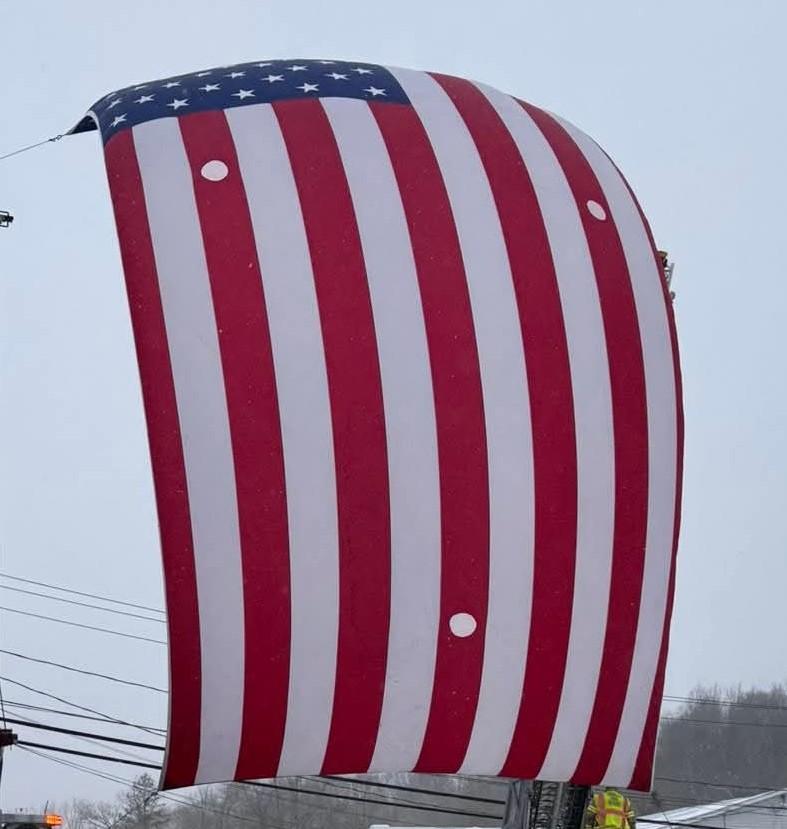
When the Flag Is Altered to Fit the Display
A recent public display featured an oversized United States flag modified with multiple circular openings cut directly through the fabric to reduce wind load and prevent structural failure.
There Is No Such Thing as “Draping an Urn”
Not long ago, I received a comment attempting to justify a photograph of a folded flag partially unfolded and draped over an urn.
The Dignity of Dissent: When Logistics Overshadow Respect for Fallen Heroes
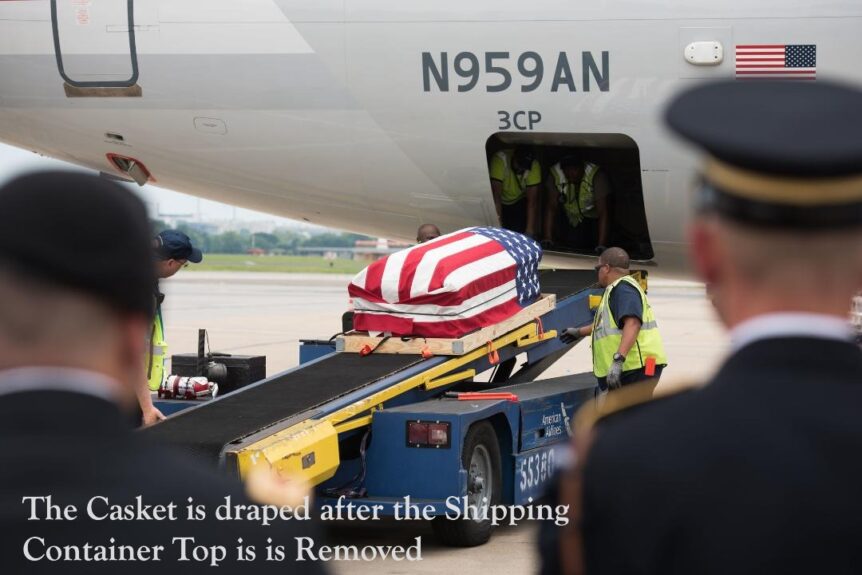
In the somber process of bringing home our fallen service members, every detail matters. The sight of a flag-draped casket signifies the highest honor a nation can bestow. However, a modern logistical trend is starting to violate the very protocols meant to protect that dignity: the practice of draping the interment flag over the shipping container holding the casket, rather …
Who Does Your Color Guard Represent?
This subject is one of the most common sources of confusion in Color Guard training, especially in scholastic and cadet programs. The root problem is that people treat flags as decoration, local pride, or a “nice touch,” when in reality every color carried in formation is a public statement of authority and representation.
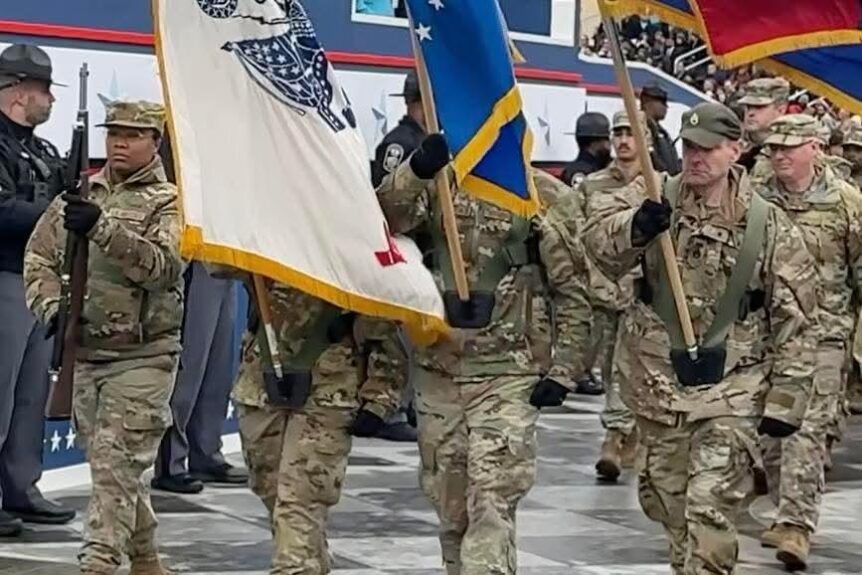
When “Joint” Does Not Mean Authorized
Recently, Virginia elected a new Governor. The image at the top of the page was shared on the VA State Defense Force Facebook page. There are many things wrong and here is what I noted on social media based on this image
Ceremonial Mourning, Authority, and the Proper Use of Bunting
When a public official or community leader dies, the desire to honor them is immediate and sincere. For first responder agencies in particular, this instinct often manifests through visible symbols of mourning—flags, apparatus positioning, uniforms, and, increasingly, bunting.