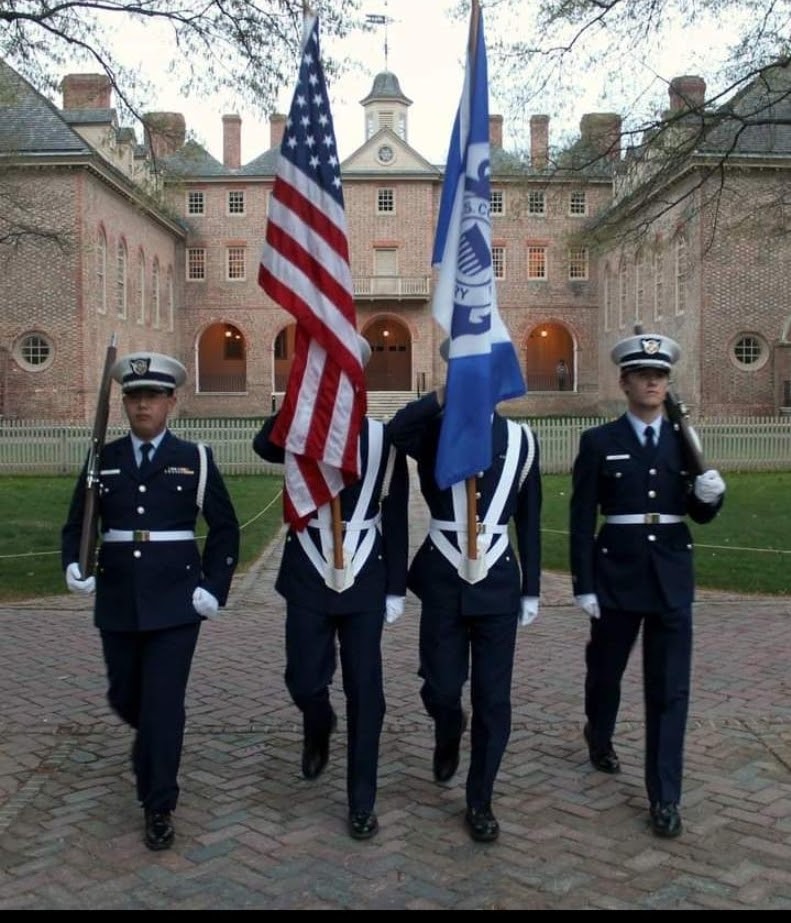
This subject is one of the most common sources of confusion in Color Guard training, especially in scholastic and cadet programs. The root problem is that people treat flags as decoration, local pride, or a “nice touch,” when in reality every color carried in formation is a public statement of authority and representation.
When the Route Forces Your Back to the Audience
For more than a decade, one particular competition scenario has generated persistent confusion among instructors, judges, and competitors alike: the U-shaped posting route commonly used in Veterans of Foreign Wars (VFW) and American Legion (AL) color guard competitions.
The “Retreat” of the National Color Bearer
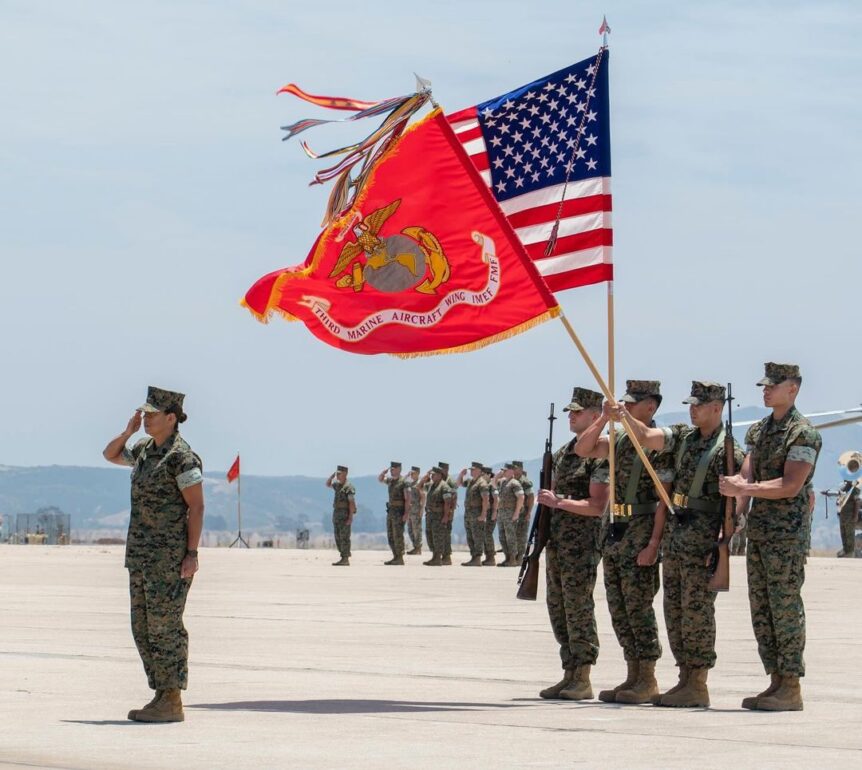
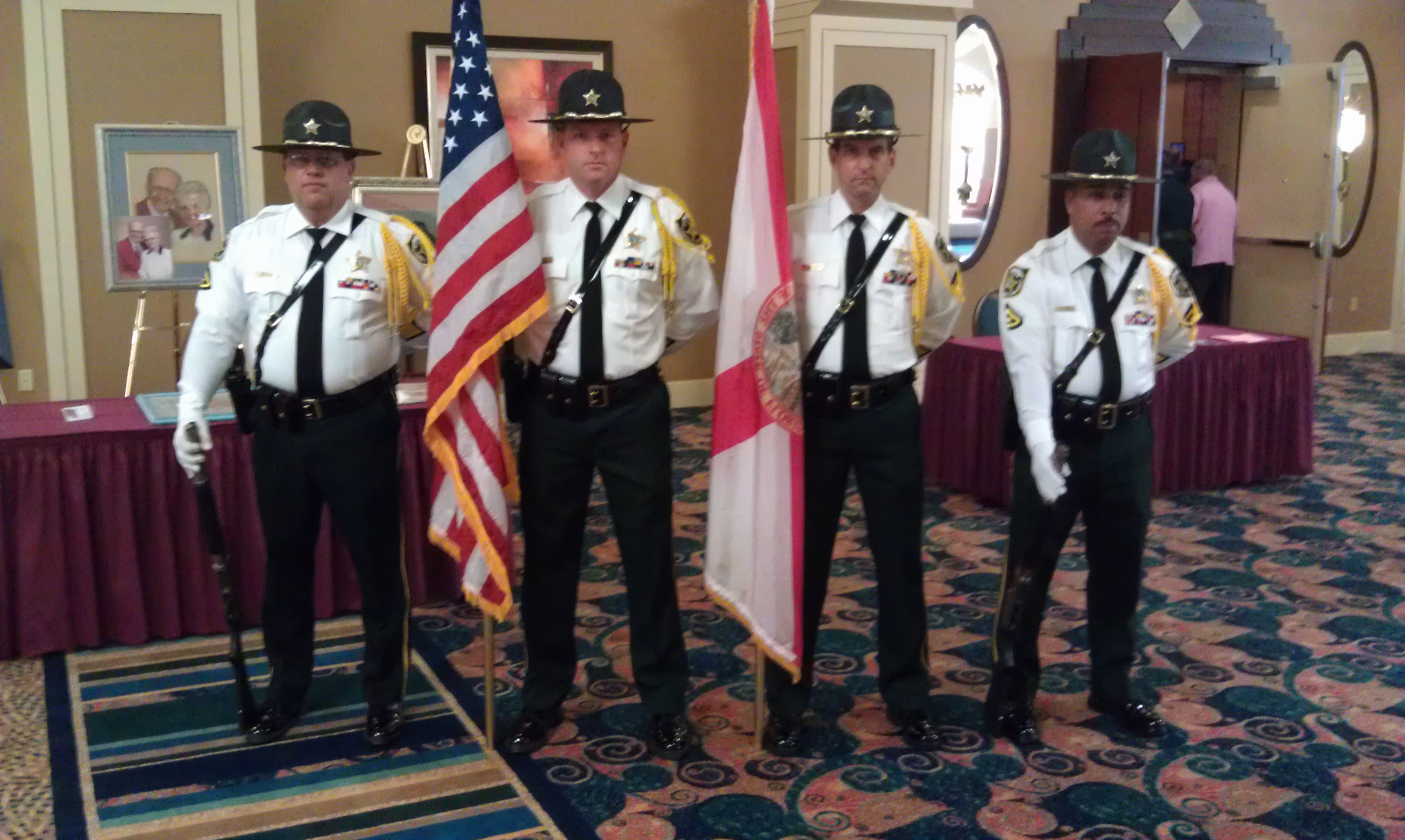
Within military and ceremonial traditions, the color guard exists to present, protect, and honor the national colors. Every movement executed by the formation is governed by doctrine, purpose, and symbolism—not improvisation.
Staff Orientation and the Colors Salute in USMC-Led Joint Color Guards
This article provides doctrinal clarification derived from Marine Corps Drill and Ceremonies procedures for a joint color guard under Marine Corps control
7 Surprising Truths About the American Flag and Color Guard You Probably Didn’t Know
The American flag and the color guards who present it are familiar sights at parades, sporting events, and civic ceremonies. We stand, place our hands over our hearts, and watch these symbols of national pride with a sense of solemn respect. Yet, the official protocols and history governing these traditions are far more detailed and often counter-intuitive than most people realize.
The CAP and AFJROTC Issues Explained
In two previous articles (available here¹ and here²), I examined instances in which U.S. Air Force–affiliated cadet programs appeared to depart from published Department of the Air Force drill and ceremonies doctrine. Those discussions raised important questions about authority, interpretation, and the proper limits of cadet instructional publications.
A Formal Doctrinal Challenge: Who Has the Authority to Change Drill and Ceremonies?
Over the past several years, I have documented a growing and troubling trend across cadet programs: drill and ceremonies standards being altered, replaced, or hybridized without clear doctrinal authority.
Can a Cadet Program Change Drill and Ceremonies Doctrine?
It has taken me a while to research and formulate a statement that calls on cadet program HQs to take a hard look at procedures. During this time, AFJROTC, NJROTC, CAP, and Yount Marines were the programs in my view. I am not calling out individuals, I am calling out the institutions, not people.
From Custody to Choreography: How Authority Shaped—and Split—the Color Guard
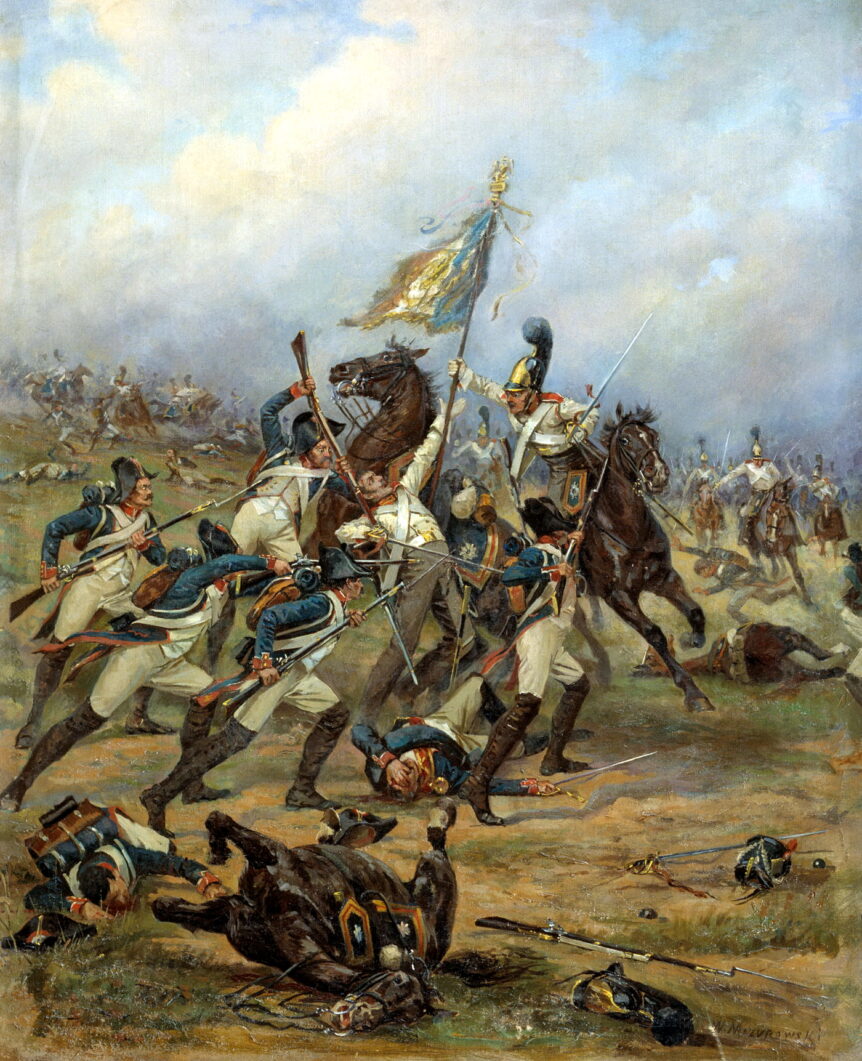
For many people involved in military drill, ceremonial color guards, marching band, or drum corps, one question keeps resurfacing: How did we all start in the same place—and end up speaking completely different languages about flags, rifles, and sabers? The answer is not stylistic. It is structural. It is a story about authority—where it came from, where it went, and …
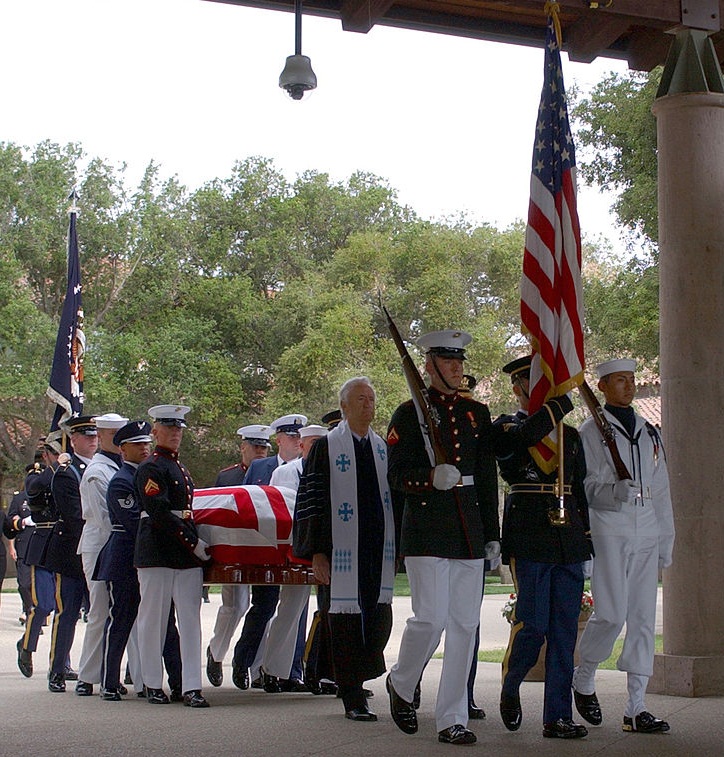
Should a Color Guard Bow Their Heads During Prayer?
This question arises frequently at ceremonies, particularly when a chaplain invites those present to bow their heads. The answer depends on a critical distinction: who is acting as an individual—and who is acting as a representative.