
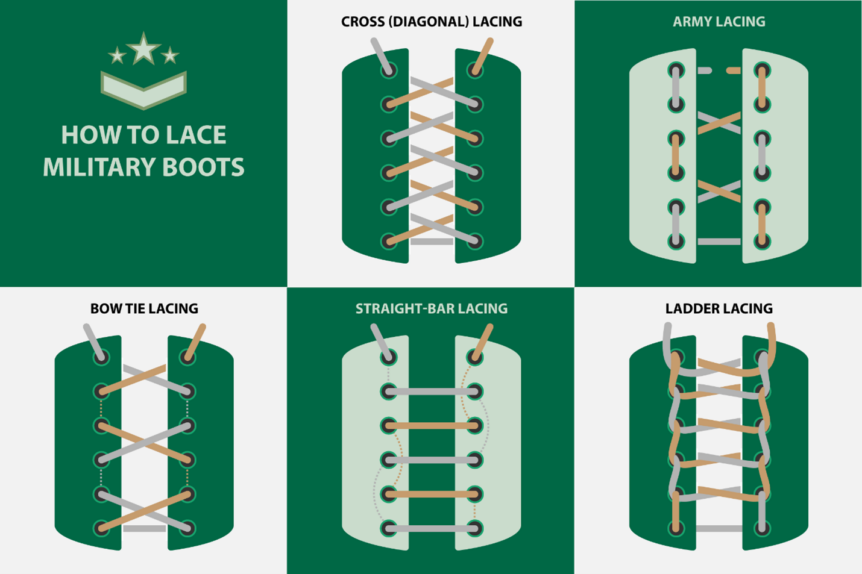
For decades, military environments have accepted foot pain as normal.
It is not.
A significant portion of lower extremity injuries—ranging from forefoot pain to knee and hip dysfunction—can be traced back to two correctable issues:
- Poor footwear design
- Improper lacing techniques
Both are preventable. Both are currently ignored.
After you retire/separate, you go to the VA and get orthotics from the podiatrist. You go back each year to get more and more and continue to have terrible pain.
This can happen even before you leave the service.
It’s preventable.
The Footwear Problem Addressed by One
Issued boots and shoes are built around outdated assumptions:
- Narrow toe boxes that compress the forefoot
- Some people have “wide” feet
- Elevated heels that shift posture forward
- Lacing systems that concentrate pressure across the top of the foot
This combination creates a structural conflict between the human body and the equipment it is forced to use.
The result is predictable:
- Toe deformities
- Midfoot pain
- Altered gait
- Compensatory stress up the kinetic chain
These are not isolated issues—they are systemic.
The Hidden Pressure Point: The Top of the Foot
One of the most common and least understood sources of pain is lace pressure over the dorsal midfoot, particularly at the navicular region.
When standard crisscross lacing is tightened:
- Pressure is driven directly downward into the midfoot
- Circulation can be restricted
- Tendons are compressed under load
Personnel often describe:
- Burning pain
- Numbness
- “Hot spots” on the top of the foot
This is not a mystery condition.
It is a direct result of how the footwear is being laced.
The Simple Fix That Is Rarely Taught
Lacing is not just a way to tighten a boot—it is a fit system.
Minor adjustments can eliminate pressure without sacrificing stability.
Window (Navicular Relief) Lacing
By skipping eyelets over the painful area, pressure is removed from the navicular while maintaining tension above and below it.
Lacing Techniques
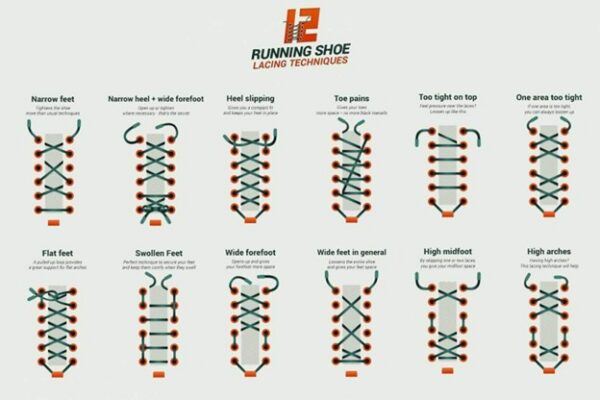
Reducing tension across the midfoot while securing the ankle maintains control without compressing the arch.
The Cultural Barrier: Uniformity vs Function
One of the reasons this problem persists is cultural:
“Everyone should look the same.”
This mindset is misapplied.
Uniformity of appearance does not require identical lacing patterns.
No standard exists that mandates how laces must be configured—only that footwear is secure and professional.
When uniformity overrides function:
- Pain is normalized
- Injury is ignored
- Performance declines
The Operational Reality
Personnel are expected to:
- Stand for extended periods
- March on hard surfaces
- Carry load
- Maintain precision under fatigue
Under these conditions, even small inefficiencies compound quickly.
Foot compression is not minor—it alters:
- Balance
- Circulation
- Joint loading
And over time, it contributes to long-term damage.
This Is a Leadership and Instruction Issue
This problem is not caused by lack of toughness.
It is caused by lack of instruction.
Instructors should be teaching:
- Proper footwear selection
- Lacing techniques for pressure relief
- Recognition of early warning signs
Ignoring these factors results in preventable injury.
That is a training failure.
The Way Forward
Footwear must be addressed as part of performance, not appearance.
This includes:
- Wide toe box standards
- Zero-drop considerations
- Proper cushioning
- Authorized lacing modifications
These are not preferences—they are performance requirements.
Full Doctrine and Implementation
This article provides an overview of the issue.
For full standards, implementation guidance, and doctrinal authority, refer to:
ICS Pub 19-007 — Footwear Reform in the Military
The publication includes:
- Footwear design standards
- Lacing authorization and techniques
- Instructional requirements
- Implementation framework
Final Point
Pain caused by footwear is not inevitable.
It is the result of correctable decisions.
When those decisions change, so does the outcome.