The term “Joint Civic/Armed Forces Color Guard” sounds official. It sounds inclusive, cooperative, and appropriate for a major public event.
It is none of those things.

Below you'll find a list of all posts that have been categorized as “Color Guard/Color Team”
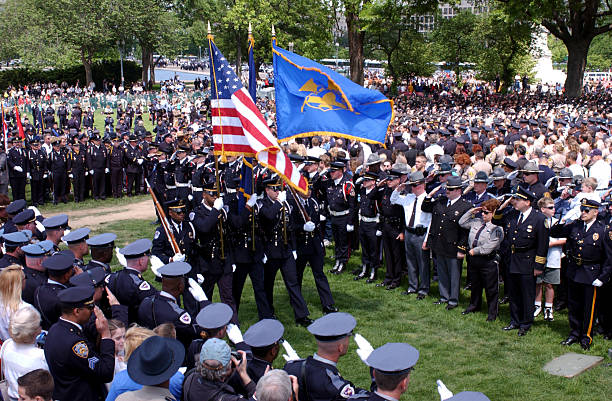
The term “Joint Civic/Armed Forces Color Guard” sounds official. It sounds inclusive, cooperative, and appropriate for a major public event.
It is none of those things.

A recent post of the Marine Corps Mounted Color Guard on Instagram showed something few may have seen before, and I received a question about it. The photo showed only the mounted color bearers carrying the national and the Marine Corps colors without guards.
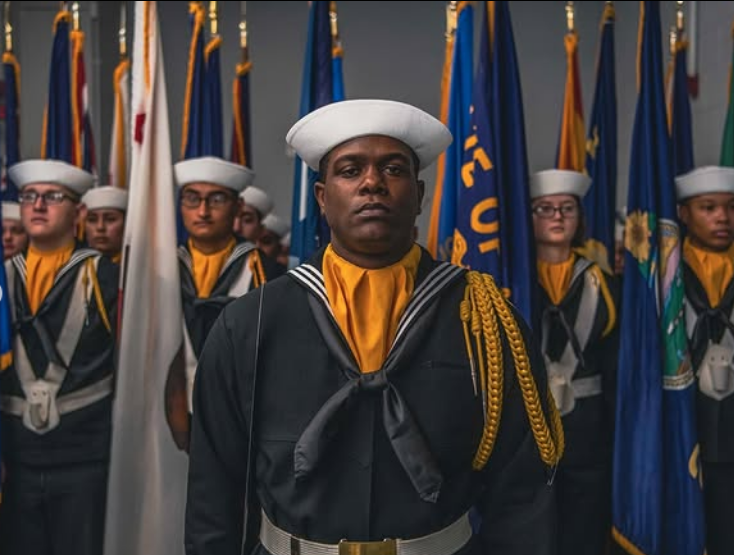
After researching Navy doctrine, I have made several discoveries and am now beginning to answer some of the questions I have had for many years. The two questions this article answers are 1) Is the “artful pageantry” of the state and territory flag formations at Navy Boot Camp (RTC Great Lakes) appropriate and, 2) are the rifle guards that the …
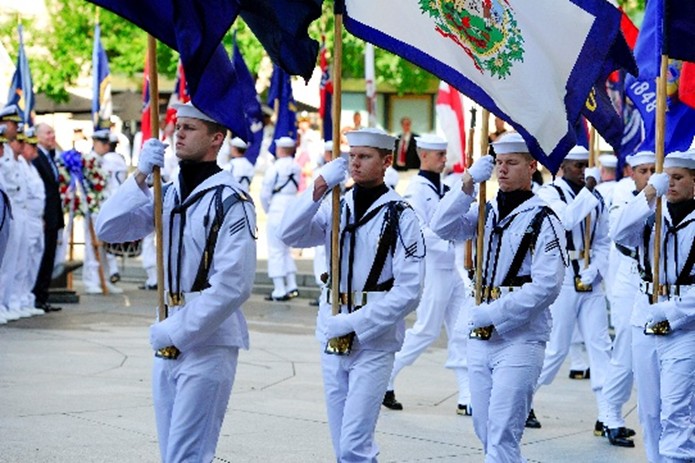
At the Boot Camp training base, RTC Great Lakes, and at the Navy Ceremonial Guard in DC, Sailors carry the states and territories in one or two massed formations. Recruit Training Command Great Lakes and the Navy Ceremonial Guard both routinely display massed State and Territory flags in one or two large formations carried by Sailors. These are Flag Display …
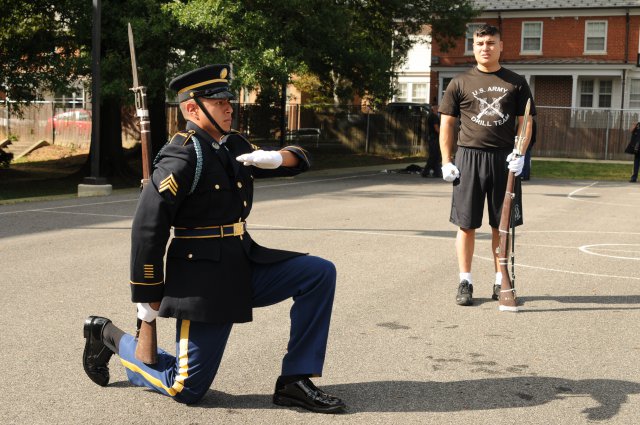
Instructors, this is one of the most common issues I see across cadet programs, ROTC units, and even some professional teams:
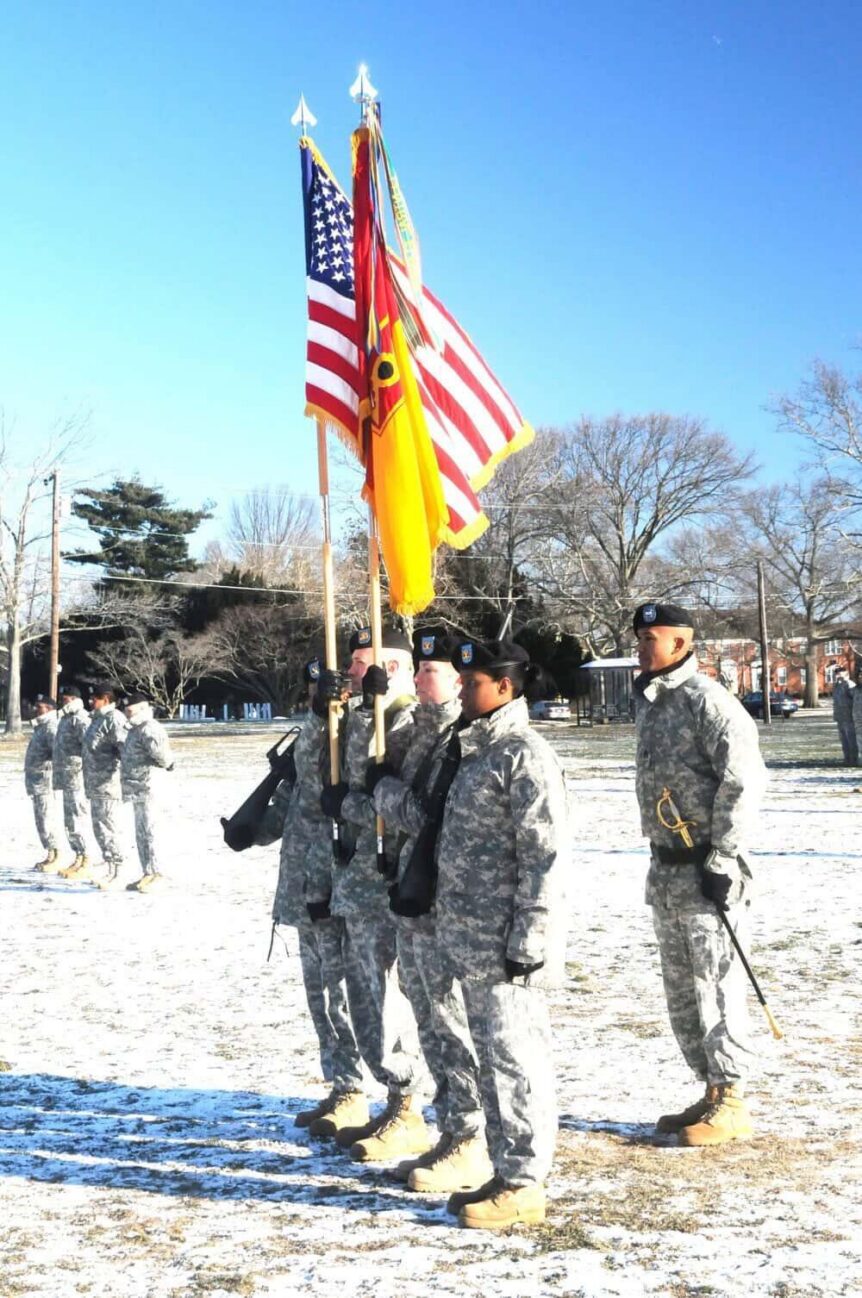
When it comes to the color guard, there’s a persistent belief that refuses to go away: “The Command Sergeant Major—the one with the sword—is the commander of the color guard at any time and for any ceremony.” It sounds right. It looks cool. It is not supported by doctrine. Let’s go to the source: TC 3-21.5 Drill and Ceremonies. Start …

I get this question fairly regularly. What flags should we carry in the upcoming parade?
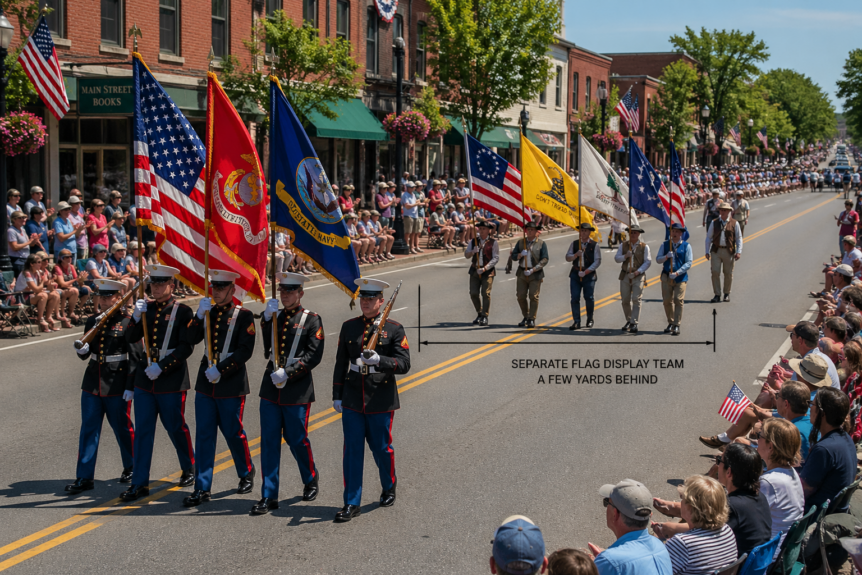
With the United States approaching its 250th anniversary, I’ve started receiving more questions about historical flags—specifically whether groups can carry items like the Betsy Ross flag or the Gadsden flag in parades and ceremonies.
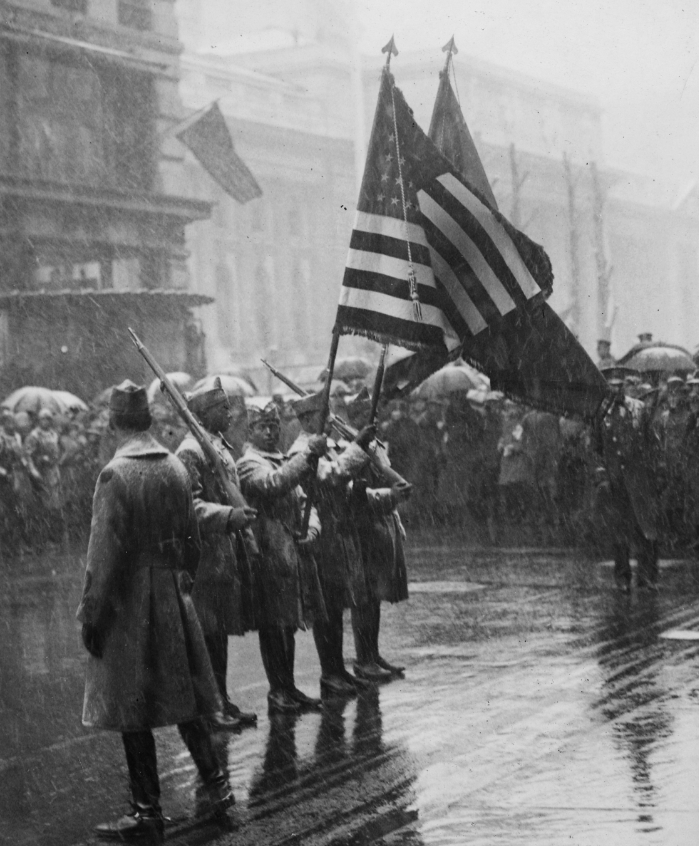
Across the country, color guards strive for precision in movement, timing, and appearance. Yet one of the most common failures occurs before the first command is ever given:
The equipment is wrong.

I wanted to explain the two types of doctrinal authority in the US military and use the flag spreader debate as a case study.