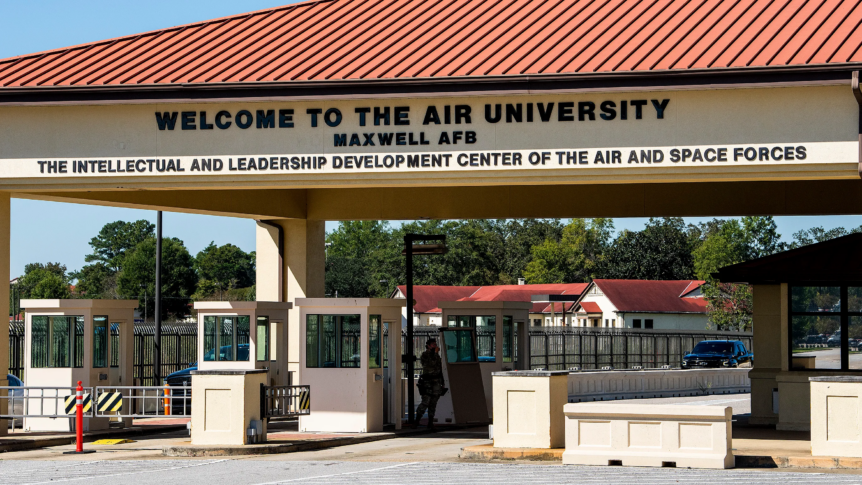
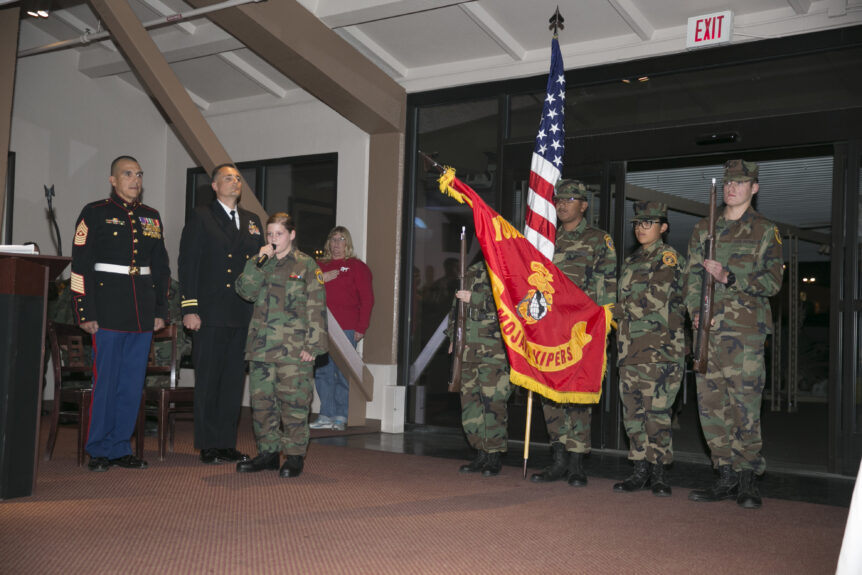
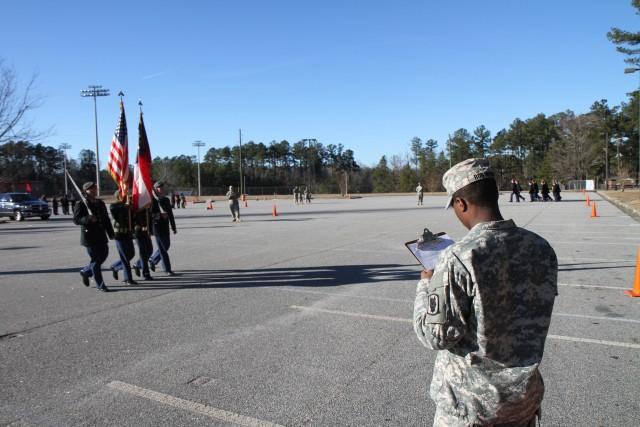
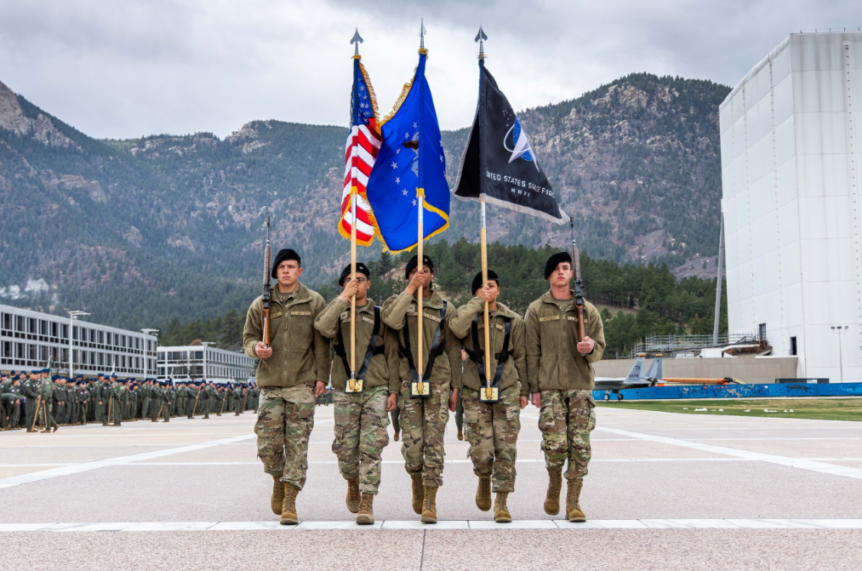
In recent years, an increasing number of Air Force color guard performances—particularly within Technical School, the United States Air Force Academy, and Air Force Reserve Officer Training Corps—have shown a consistent pattern: movements that appear deliberate and “ceremonial,” yet are fundamentally incorrect within their training environment.
Why Drift and Ego Are So Prevalent in Drill & Ceremonies
Drift in Drill & Ceremonies is not accidental.
It is not generational. It is not ignorance alone. And it is not simply ego.
A Formal Doctrinal Challenge: Who Has the Authority to Change Drill and Ceremonies?
Over the past several years, I have documented a growing and troubling trend across cadet programs: drill and ceremonies standards being altered, replaced, or hybridized without clear doctrinal authority.
Can a Cadet Program Change Drill and Ceremonies Doctrine?
It has taken me a while to research and formulate a statement that calls on cadet program HQs to take a hard look at procedures. During this time, AFJROTC, NJROTC, CAP, and Yount Marines were the programs in my view. I am not calling out individuals, I am calling out the institutions, not people.
When Standing Out Breaks the Standard: Accent vs. Authority in Regulation Drill
In regulation drill, excellence is not demonstrated by visibility—it is demonstrated by compliance. Yet in competitive environments, a recurring behavior has emerged: teams introduce subtle pauses before flanking movements, exaggerate foot sweeps on facing movements, or add slight timing accents that are not prescribed by doctrine. These additions are often intentional, designed to “stand out” to judges when technical execution …
Can a Flight Commander Switch Sides During Regulation Drill?
In JROTC drill competitions—during the regulation drill sequence—questions occasionally arise regarding the authorized positioning of the flight. One recurring practice, observed most frequently in the west, but slowly creeping to other areas, involves the commander switching from the prescribed left side of the formation to the right side and eventually switching back through column movements. This article examines whether that practice is doctrinally supported.
The Mechanics of Movement
This article is a continuation of Part 1, The Rhythm of Movement. Here, we go over what physically happens when taking that first step. The Gate Cycle When we talk about the gait cycle, we’re essentially describing a full rhythmic cycle of walking. Marching is a highly disciplined and stylized form of walking, so when marching, the gait cycle is …
The Rhythm of Movement
Movement has a rhythm and with competitive marching it is crucial to understand that rhythm and break down movement to understand it’s application better.
Understanding the Definition and Types of Military Drill
Military drill encompasses a variety of movements and formations performed by members of the military, cadets, and others, either with or without equipment (rifles, flags, guidon). There are distinct forms of drill, each serving specific purposes and contributing to the overall discipline and efficiency of military personnel.
Questions Answered on the 30-Step Sequence
Air Force JROTC created a 30-Step Sequence for freshman cadets like the other service JROTC programs and I recently received several questions about the performance of the sequence.