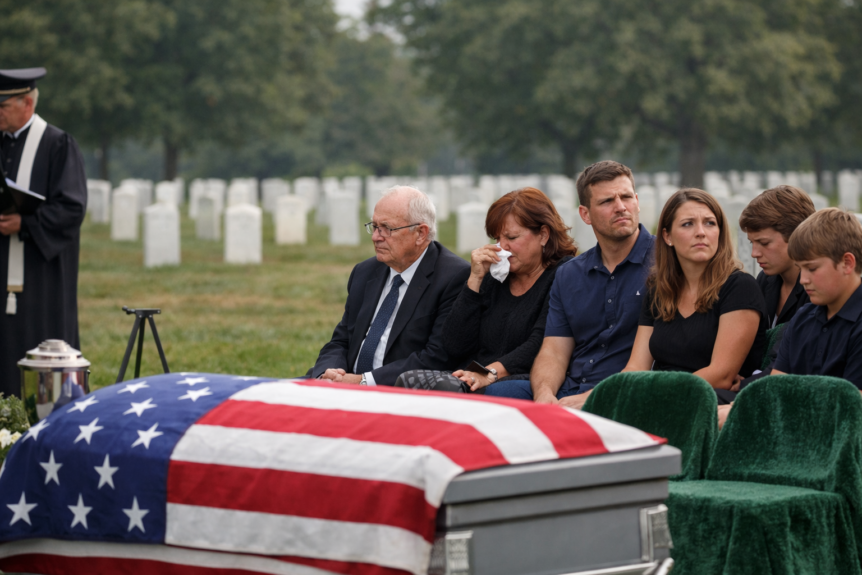
When an Airman or Guardian dies, the nation makes a visible promise: no one will be forgotten, and every honor will be rendered with precision, dignity, and certainty.
That promise is not symbolic. It is operational. And today this duty is in danger of not being met.
Authority Is The Invisible Structure That Explains Why
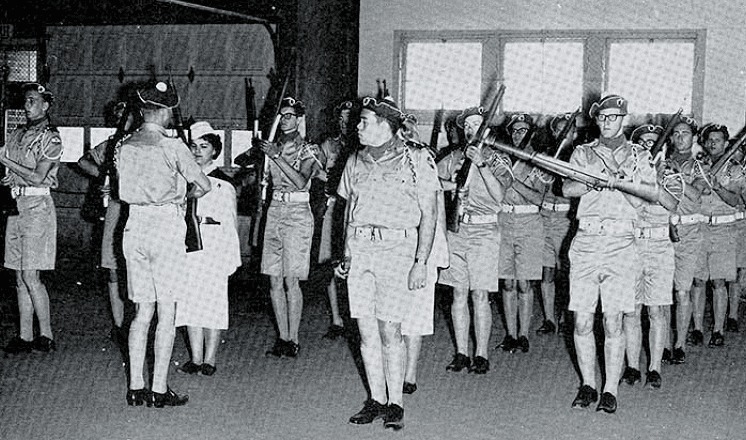
Military drill, color guard, and ceremonial performances feel fundamentally different from other performing arts—even when the outward motions appear similar.
Why America’s Historic Military Schools Matter More Than Ever
Across the United States, historic military schools and colleges are increasingly misunderstood, marginalized, or targeted for closure. Too often, they are dismissed as relics of the past—out of step with modern education or unnecessary in a professional volunteer force.
A Formal Doctrinal Challenge: Who Has the Authority to Change Drill and Ceremonies?
Over the past several years, I have documented a growing and troubling trend across cadet programs: drill and ceremonies standards being altered, replaced, or hybridized without clear doctrinal authority.
Can a Cadet Program Change Drill and Ceremonies Doctrine?
It has taken me a while to research and formulate a statement that calls on cadet program HQs to take a hard look at procedures. During this time, AFJROTC, NJROTC, CAP, and Yount Marines were the programs in my view. I am not calling out individuals, I am calling out the institutions, not people.
AF Basic Training Revamp — Why This Matters Beyond the Parade Field
Senior Pentagon reporter Jeff Schogol recently published an excellent piece at Task & Purpose1 detailing the restructuring of U.S. Air Force Basic Military Training (BMT). The article focuses on modernization, but two particular aspects stand out because they directly reinforce something I have taught for years: drill and ceremonies are not cosmetic traditions — they are functional training tools with real-world application.
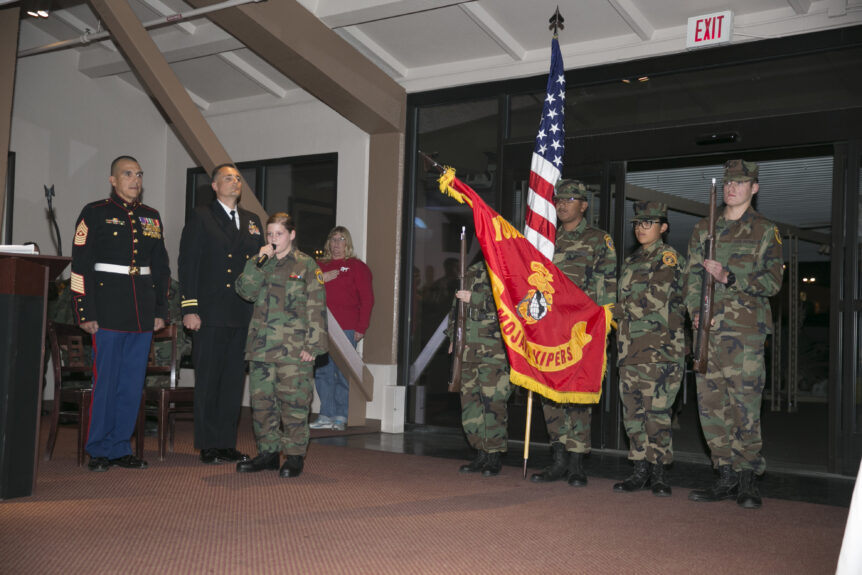
From Custody to Choreography: How Authority Shaped—and Split—the Color Guard
For many people involved in military drill, ceremonial color guards, marching band, or drum corps, one question keeps resurfacing: How did we all start in the same place—and end up speaking completely different languages about flags, rifles, and sabers? The answer is not stylistic. It is structural. It is a story about authority—where it came from, where it went, and …
“Praise in Public”: The Case for Public Correction
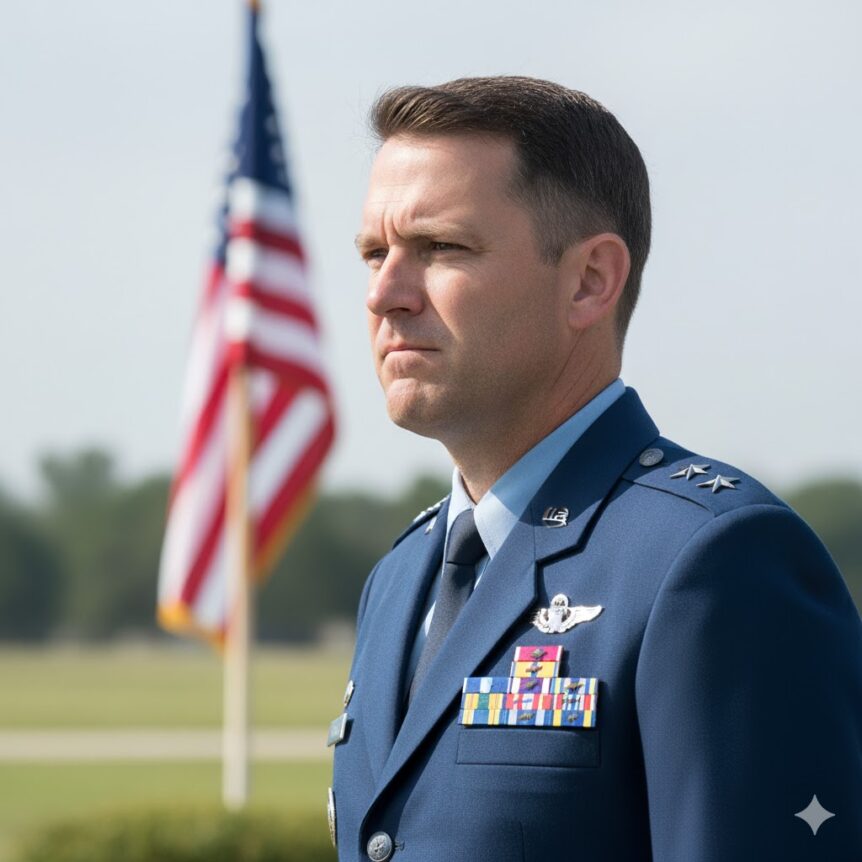
Not long ago, I received a private message from a high-ranking officer (O-6). See my “Stupid People” article. While I’ve received variations of this question before, his direct inquiry provided the perfect opportunity to address a recurring issue. The image above was generated for me by Gemini. It’s supposed to be of a disappointed senior leader. Notice the fringe on …
Navigating Leadership: A Cadet’s Guide When Adult Support Falls Short
You’ve heard the message: Dismissiveness hurts. When you bring a real problem or an idea to an adult leader and their response is a dismissive comment—or worse, “I don’t care”—it’s frustrating, unfair, and makes you question why you should even try. First, know this: You are heard, and your concerns are valid. Your initiative is vital to our program. You …
The USNSCC Honors and Ceremonies Course
Over the years, adult volunteers have done their best to provide information to Sea and League Cadets regarding US Navy honors and ceremonies. In this article, I will attempt to convey to you why this course is important for every Sea and League Cadet.