In some organizations, particularly groups like the Sons of the American Revolution (from where I received the question below), it is common to see a “color guard commander” standing outside the formation, often carrying a sword and issuing commands to the guard. This raises a frequent question: Is this practice derived from early American military drill? The short answer is …
Honor Guards of Antiquity 1: Elite Units and the Rulers They Protected
In the grand narratives of ancient history, figures like Roman Emperors, Persian Kings, and Macedonian conquerors stand at the apex of power. Yet, their authority—and often their very lives—rested in the hands of their most trusted and feared subordinates: the elite bodyguards. Far more than mere soldiers, units such as the Roman Praetorian Guard, the Persian Apple Bearers, and the …
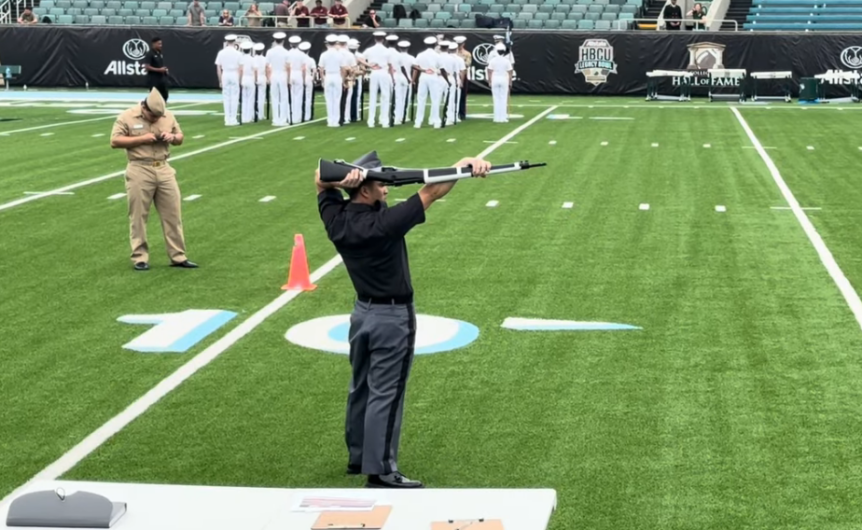
Competitive Timing Logic in Military Drill Performance
INSTITUTE FOR CEREMONIAL STANDARDS Doctrine Clarification Series DCS 20-001 Competitive Timing Logic in Military Drill Performance The Structural “Why” Behind Time Limits Time limits in drill competition are not arbitrary administrative constraints. They are structural safeguards rooted in physiology, motor learning science, program design theory, audience psychology, and adjudication reliability. When timing windows are inflated without structural justification, performance density …
Is Drill and Ceremonies “Service Doctrine”?
A Clarification for Leaders, Instructors, and Ceremonial Teams Drill and Ceremonies (D&C) is often dismissed as “just tradition” or “just training.” That classification is incomplete. D&C is not operational warfighting doctrine. But it functions as institutional service doctrine—the body of standards that governs how a military service visibly represents authority, discipline, and national legitimacy. That distinction matters. What Doctrine Actually …
The Merchant Marine Academy Battle Standard
Color guards are carefully structured ceremonial formations. Every flag within the formation represents a specific authority: the nation, the foreign nation, the state or territory, a military service, or the organization hosting the ceremony.
Merchant Mariners, Veteran Status, and Color Guard Authority
Public discussion frequently merges two separate realities:
Congressional recognition of World War II Merchant Mariners as veterans and legal and doctrinal authority to form or represent a color guard
Why DHS Color Guards Lack Doctrinal Uniformity
Joint color guards representing the Department of Homeland Security are increasingly visible at national ceremonies, public events, and major sporting venues. Their presence reflects the broad mission of DHS and the service of its many law-enforcement components.
Color Guard — The History of the Flag and Sword
In recent years, I have seen an increasing number of color guards—military, veteran, cadet, and ceremonial—placing swords or sabers in escort positions.
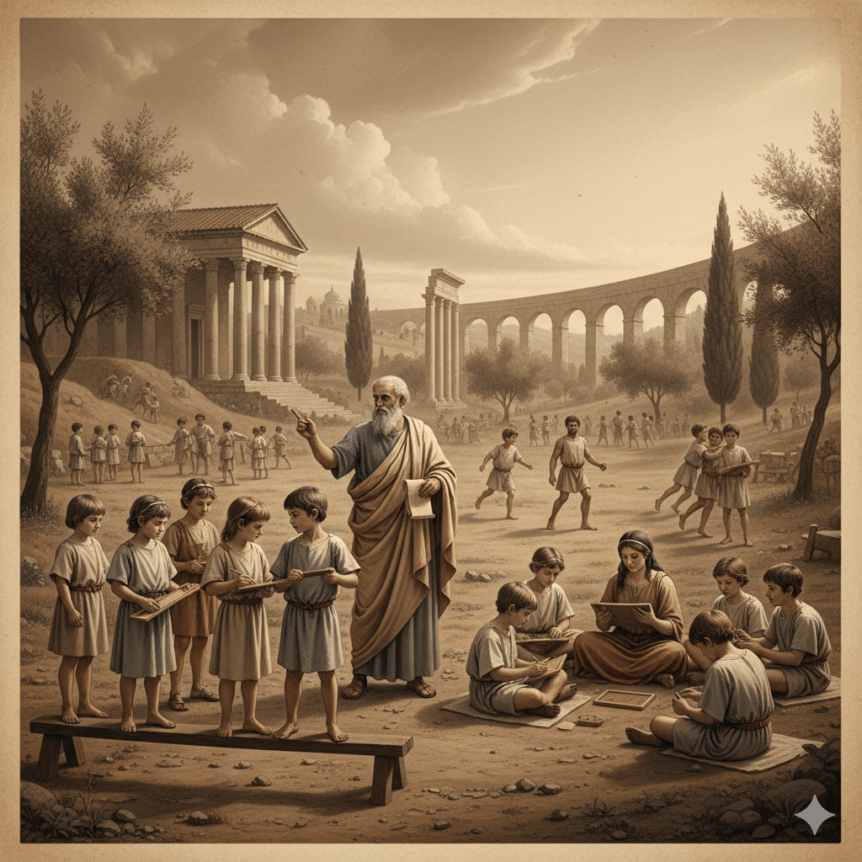
Why Drill and Ceremonies Remain Essential: Lessons from the Greeks, Romans, and Earlier Civilizations
Military drill and ceremonies are often dismissed today as outdated, overly formal, or “just tradition.” Yet long before drill manuals, long before modern armies, the greatest civilizations of the ancient world understood something profound: disciplined movement shapes disciplined minds. The way a person stands, walks, trains, and carries himself is inseparable from their character. The ancients believed this so deeply …
Why Drift and Ego Are So Prevalent in Drill & Ceremonies
Drift in Drill & Ceremonies is not accidental.
It is not generational. It is not ignorance alone. And it is not simply ego.