Let’s dive into the history of drill and ceremonies manuals and see the progression of drill and ceremonies for the US Marine Corps (USMC), US Navy (USN), and US Coast Guard (USCG).
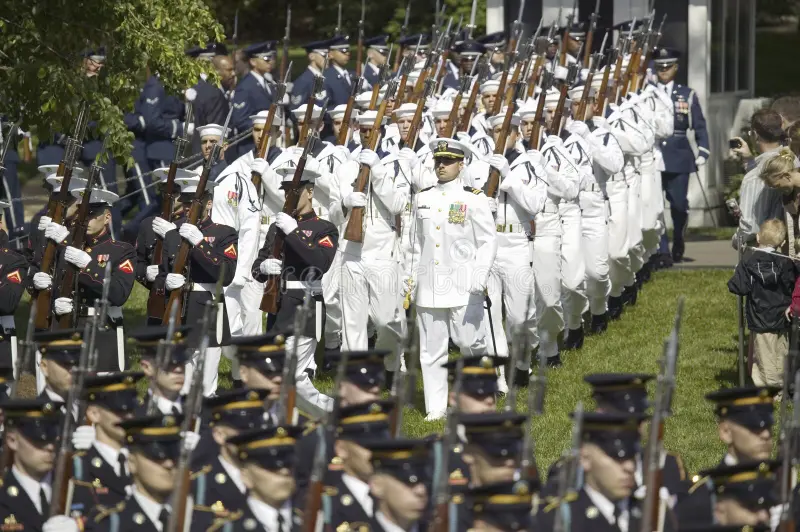

Educating the Military Drill World
Let’s dive into the history of drill and ceremonies manuals and see the progression of drill and ceremonies for the US Marine Corps (USMC), US Navy (USN), and US Coast Guard (USCG).
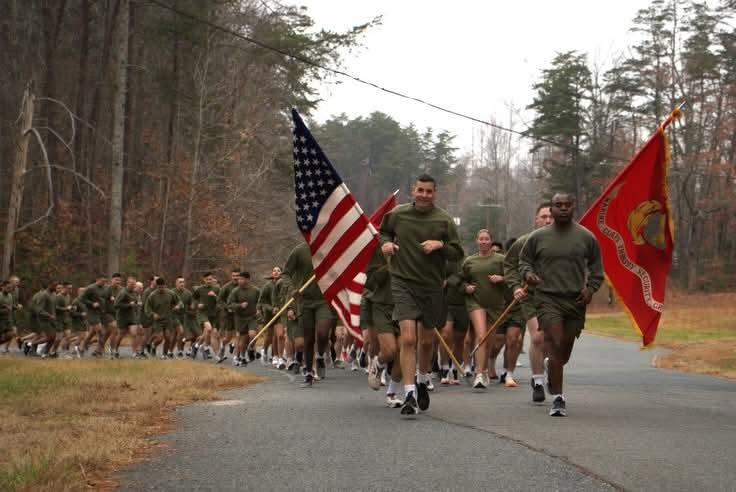
Across the United States, military and cadet units routinely conduct physical training runs with a unit guidon.
This practice is normal, historically grounded, and fully supported by service drill doctrine.
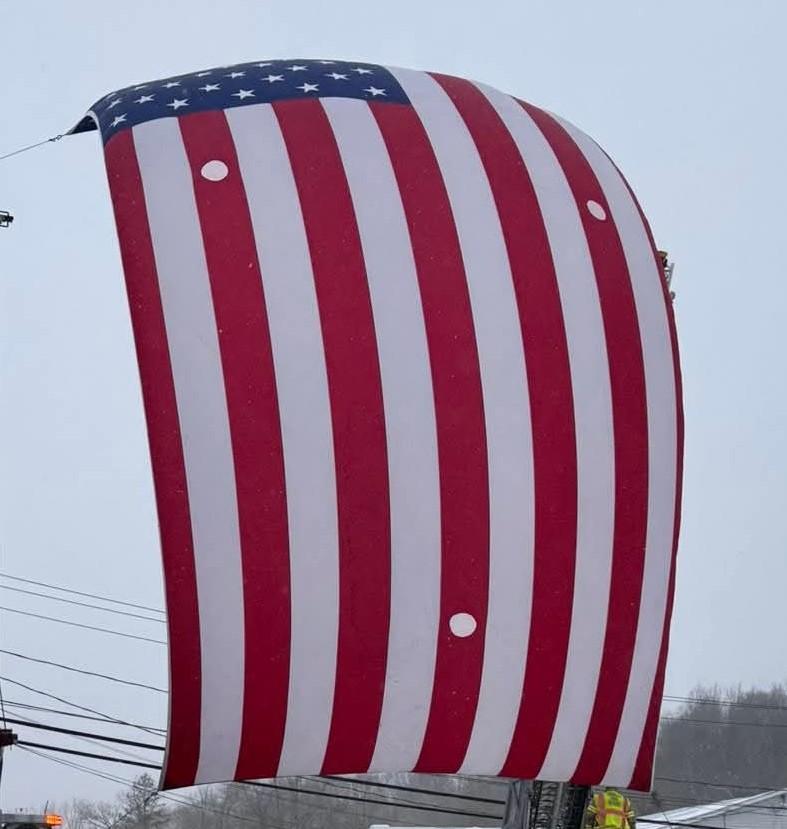
A recent public display featured an oversized United States flag modified with multiple circular openings cut directly through the fabric to reduce wind load and prevent structural failure.
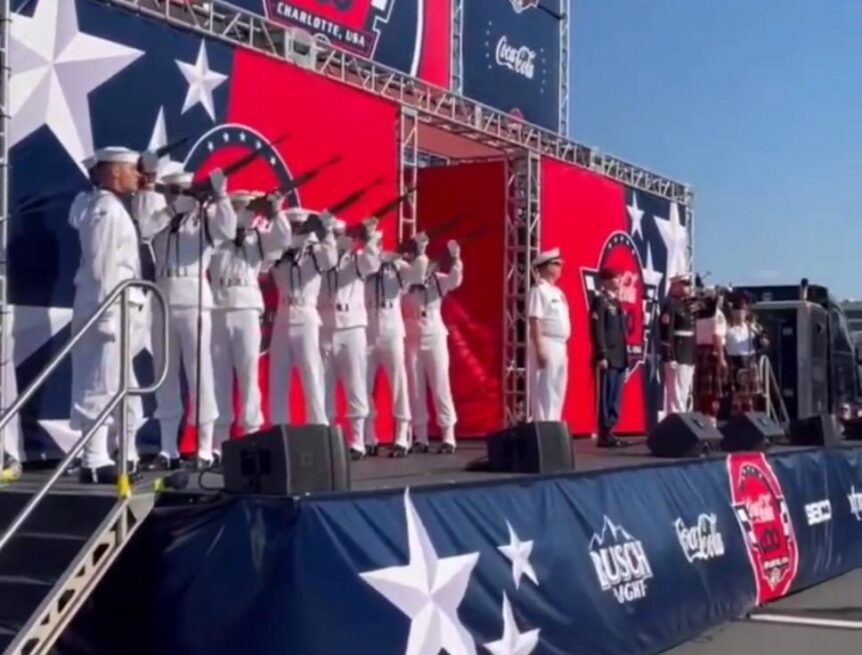
Each year, across the United States, rifle volleys echo on Memorial Day, presidential birthdays, and civic remembrance ceremonies. The sound is familiar. It is also, in most cases, not doctrinally authorized.

Recently, I received a very good question regarding Civil Air Patrol cadets and if they can circumvent the CAP written drill and ceremonies standards that do not follow USAF doctrine. At first it makes sense to skip over bad CAP writing and opt to follow the parent service doctrine. However, that’s not the way things work. Let’s get into this.
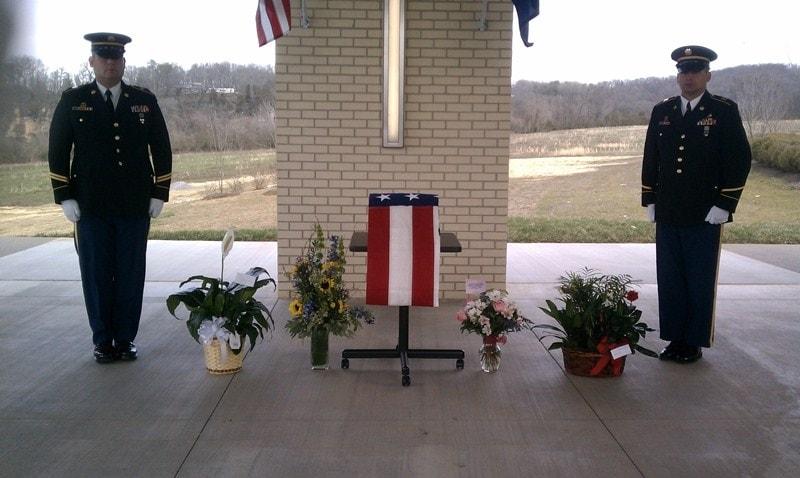
Not long ago, I received a comment attempting to justify a photograph of a folded flag partially unfolded and draped over an urn.
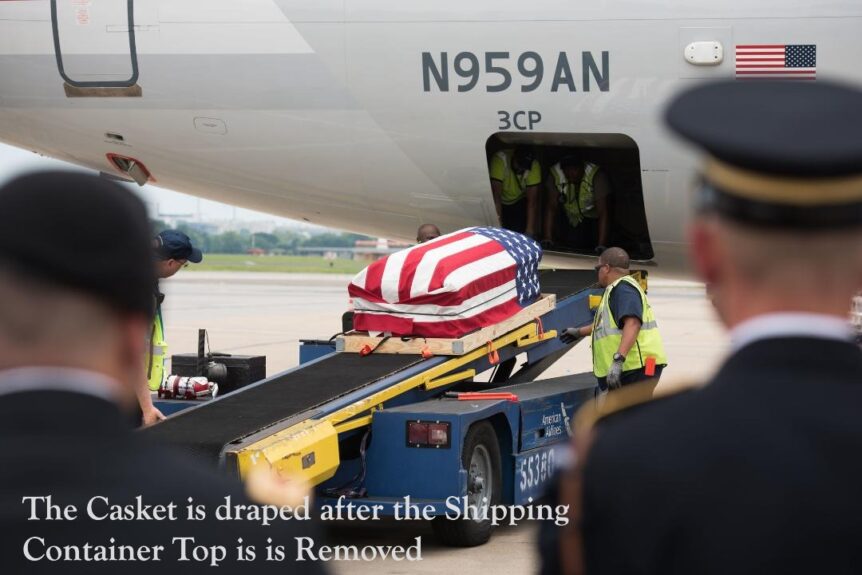
In the somber process of bringing home our fallen service members, every detail matters. The sight of a flag-draped casket signifies the highest honor a nation can bestow. However, a modern logistical trend is starting to violate the very protocols meant to protect that dignity: the practice of draping the interment flag over the shipping container holding the casket, rather …
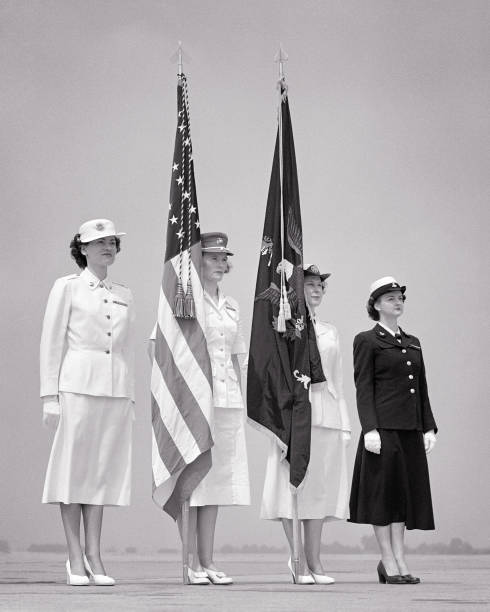
This subject is one of the most common sources of confusion in Color Guard training, especially in scholastic and cadet programs. The root problem is that people treat flags as decoration, local pride, or a “nice touch,” when in reality every color carried in formation is a public statement of authority and representation.

For more than a decade, one particular competition scenario has generated persistent confusion among instructors, judges, and competitors alike: the U-shaped posting route commonly used in Veterans of Foreign Wars (VFW) and American Legion (AL) color guard competitions.
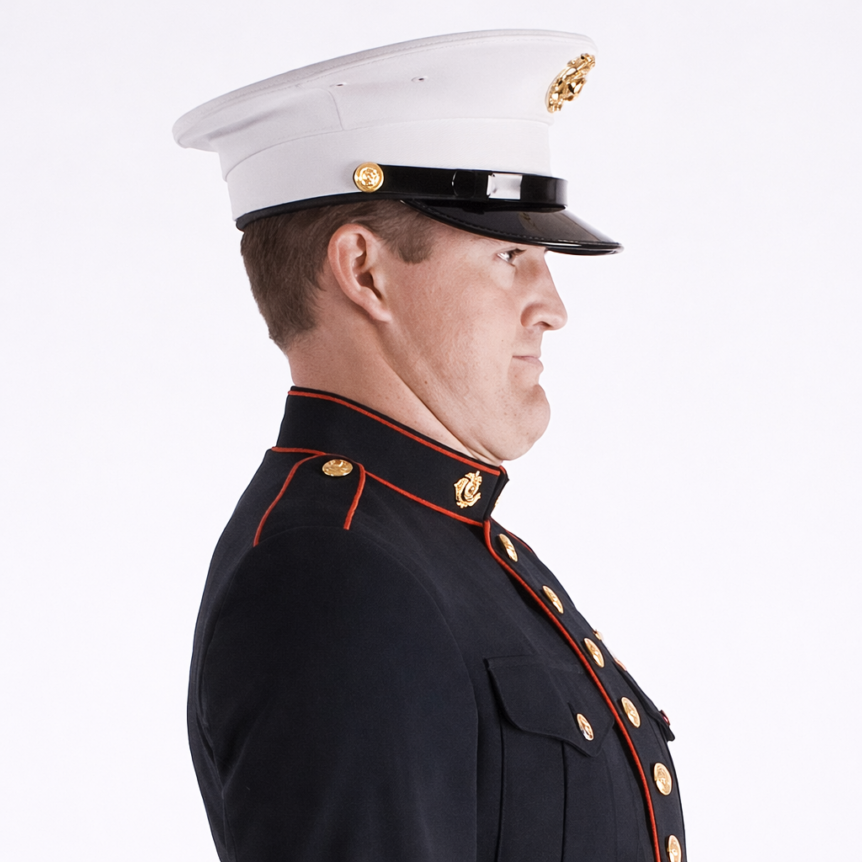
Abstract Background:Military and cadet training environments emphasize rigid posture and uniform precision. Certain well-intended practices—specifically excessive ceremonial belt compression and sustained chin retraction—may unintentionally compromise respiratory and musculoskeletal function. Objective:To examine the combined physiological and operational effects of cervical spine straightening and diaphragmatic restriction in posture-intensive training environments and to propose doctrine-compatible mitigation strategies. Methods:This narrative analysis integrates musculoskeletal biomechanics, …