The article on rifle spinning, tosses, immediate stops, and adolescent injury risk has done exactly what I hoped it would do: it has made people think.
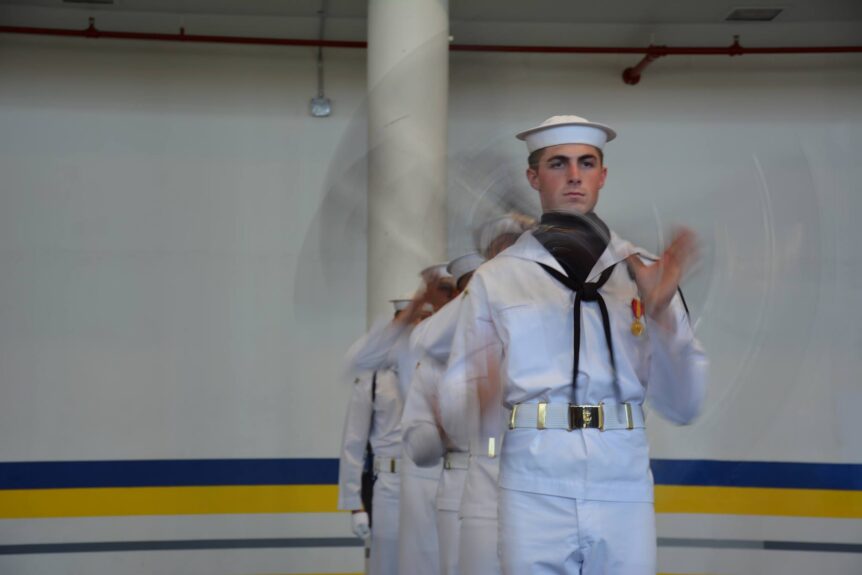

Below you'll find a list of all posts that have been categorized as “DrillHealth”
The article on rifle spinning, tosses, immediate stops, and adolescent injury risk has done exactly what I hoped it would do: it has made people think.
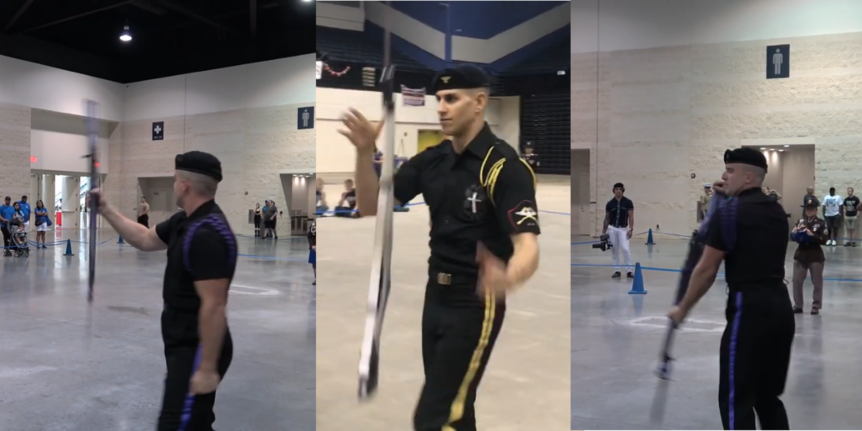
Armed exhibition drill has been part of military drill for decades. It is exciting, demanding, and when performed well, it shows timing, confidence, coordination, control, and strength. But we need to address the health aspect of an 8.5-pound rifle repeatedly slamming into a teenage body because that is what the activity often rewards. That is the problem. The M1903 rifle, …
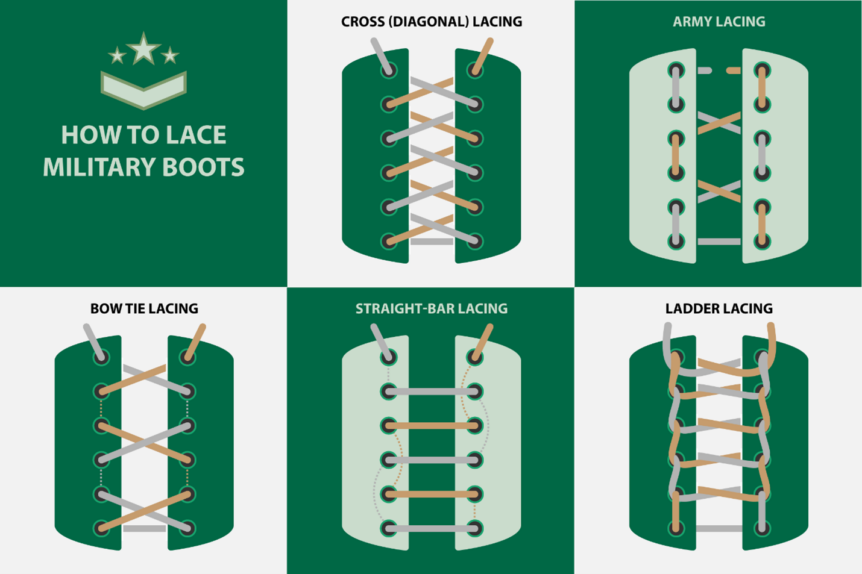
For decades, military environments have accepted foot pain as normal.
It is not.
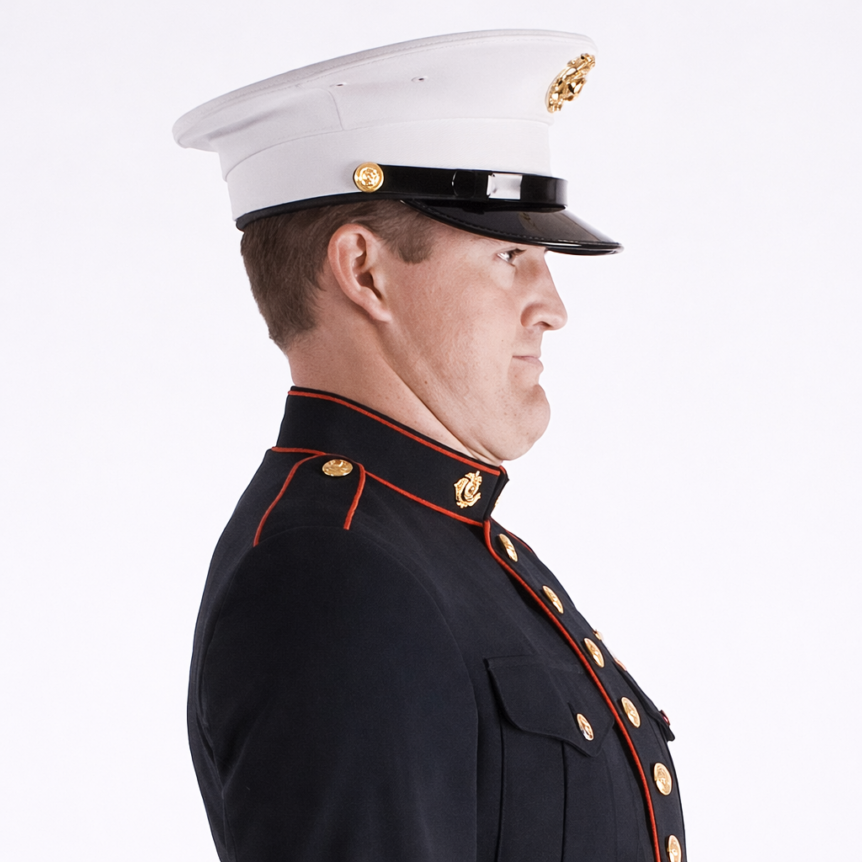
Abstract Background:Military and cadet training environments emphasize rigid posture and uniform precision. Certain well-intended practices—specifically excessive ceremonial belt compression and sustained chin retraction—may unintentionally compromise respiratory and musculoskeletal function. Objective:To examine the combined physiological and operational effects of cervical spine straightening and diaphragmatic restriction in posture-intensive training environments and to propose doctrine-compatible mitigation strategies. Methods:This narrative analysis integrates musculoskeletal biomechanics, …

My suggestions here are based on my research and anecdotal evidence, I am not giving medical advice, just passing along what has worked for me.

Most cadets and many adults know only this phrase about fainting (flaking) in formation. You definitely need to expand your knowledge to educate those for of whom you are responsible.