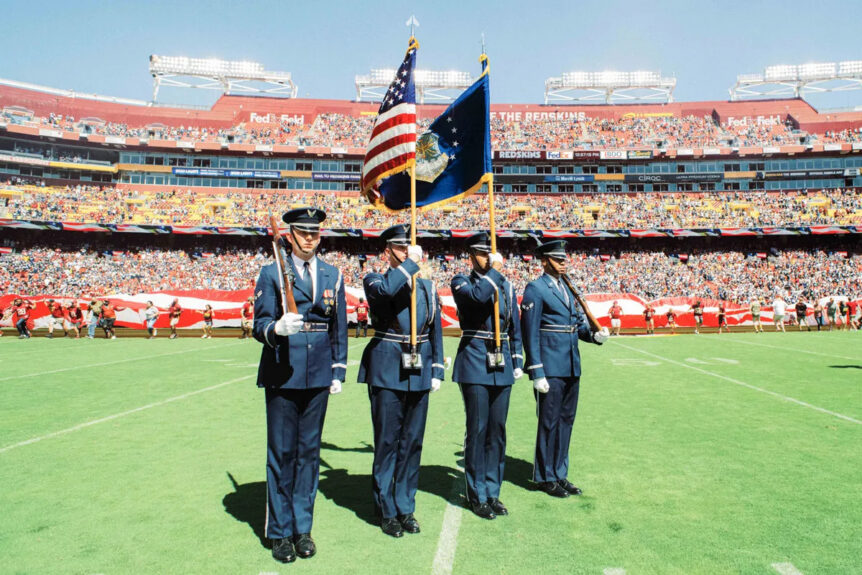
Across the United States, historic military schools and colleges are increasingly misunderstood, marginalized, or targeted for closure. Too often, they are dismissed as relics of the past—out of step with modern education or unnecessary in a professional volunteer force.

The CAP and AFJROTC Issues Explained
In two previous articles (available here¹ and here²), I examined instances in which U.S. Air Force–affiliated cadet programs appeared to depart from published Department of the Air Force drill and ceremonies doctrine. Those discussions raised important questions about authority, interpretation, and the proper limits of cadet instructional publications.
A Formal Doctrinal Challenge: Who Has the Authority to Change Drill and Ceremonies?
Over the past several years, I have documented a growing and troubling trend across cadet programs: drill and ceremonies standards being altered, replaced, or hybridized without clear doctrinal authority.
Can a Cadet Program Change Drill and Ceremonies Doctrine?
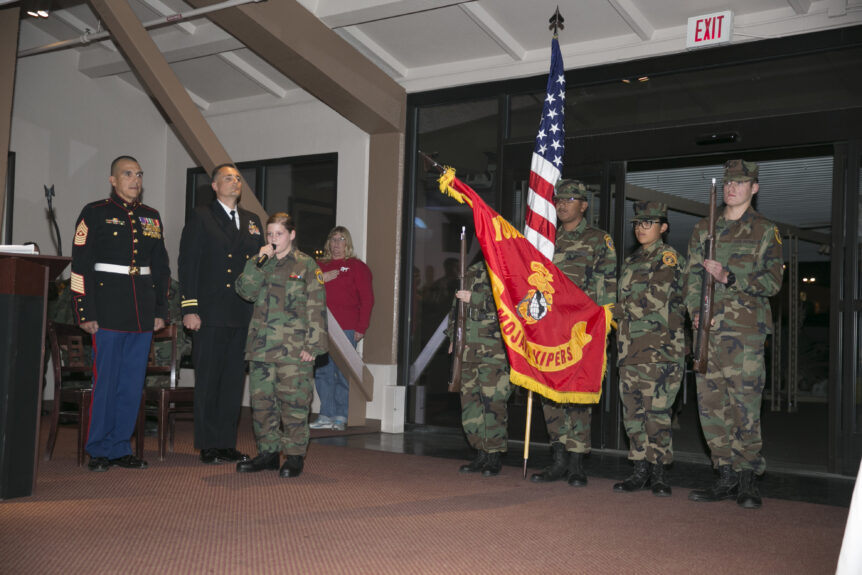
It has taken me a while to research and formulate a statement that calls on cadet program HQs to take a hard look at procedures. During this time, AFJROTC, NJROTC, CAP, and Yount Marines were the programs in my view. I am not calling out individuals, I am calling out the institutions, not people.
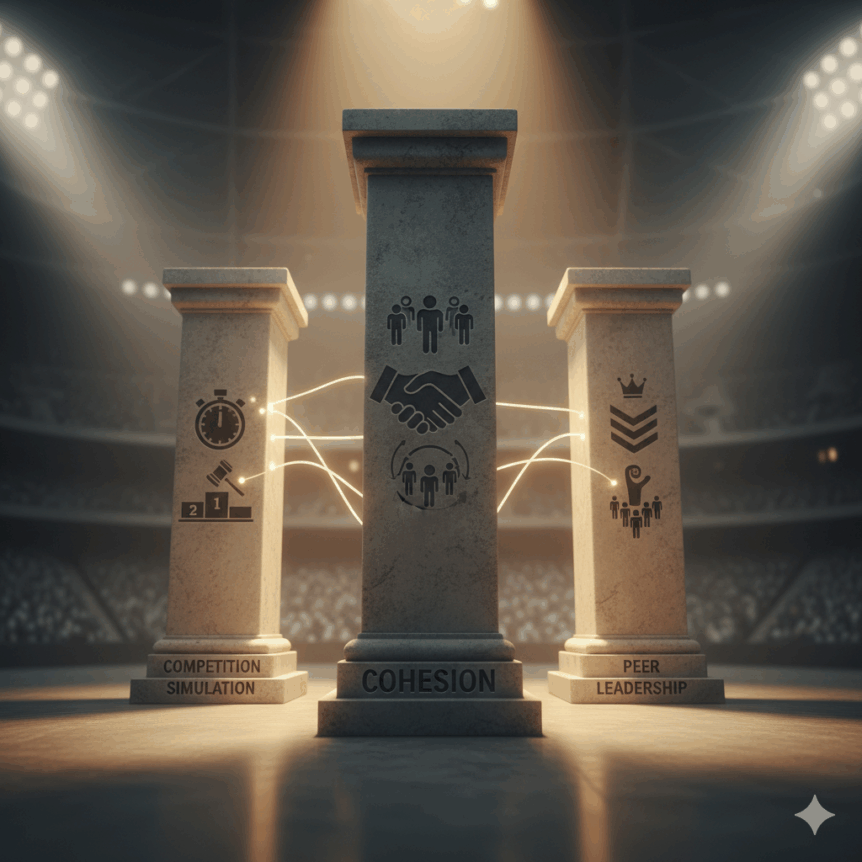
The Three Pillars of a Championship Team: Building Drill Team and Color Guard Excellence
Three powerful concepts—Building Cohesion, Competition Simulation, and Peer Leadership—will build a truly dominant and strong drill team and color guard.
Judge Training Guidance: Evaluating Flight Commander Positioning in Regulation Drill
This guidance provides judges with a consistent framework for evaluating flight (platoon) commander positioning during regulation drill, ensuring assessments are based on published drill standards rather than regional practice, instructor habit, or competitive normalization.
AF Basic Training Revamp — Why This Matters Beyond the Parade Field
Senior Pentagon reporter Jeff Schogol recently published an excellent piece at Task & Purpose1 detailing the restructuring of U.S. Air Force Basic Military Training (BMT). The article focuses on modernization, but two particular aspects stand out because they directly reinforce something I have taught for years: drill and ceremonies are not cosmetic traditions — they are functional training tools with real-world application.
From Custody to Choreography: How Authority Shaped—and Split—the Color Guard
For many people involved in military drill, ceremonial color guards, marching band, or drum corps, one question keeps resurfacing: How did we all start in the same place—and end up speaking completely different languages about flags, rifles, and sabers? The answer is not stylistic. It is structural. It is a story about authority—where it came from, where it went, and …
Exhibition Drill Is Not Pageantry
In recent decades, military drill teams—particularly those performing exhibition drill—have increasingly adopted visual elements commonly associated with pageantry arts. Audiences often see this overlap and assume the two are functionally equivalent. They are not.
Pageantry vs. Exhibition Drill — The Essential Difference
Although exhibition drill may borrow tools from pageantry arts, the two are not the same discipline. They differ fundamentally in purpose, authority, design intent, and evaluation philosophy.